Background and Context
Background and Context
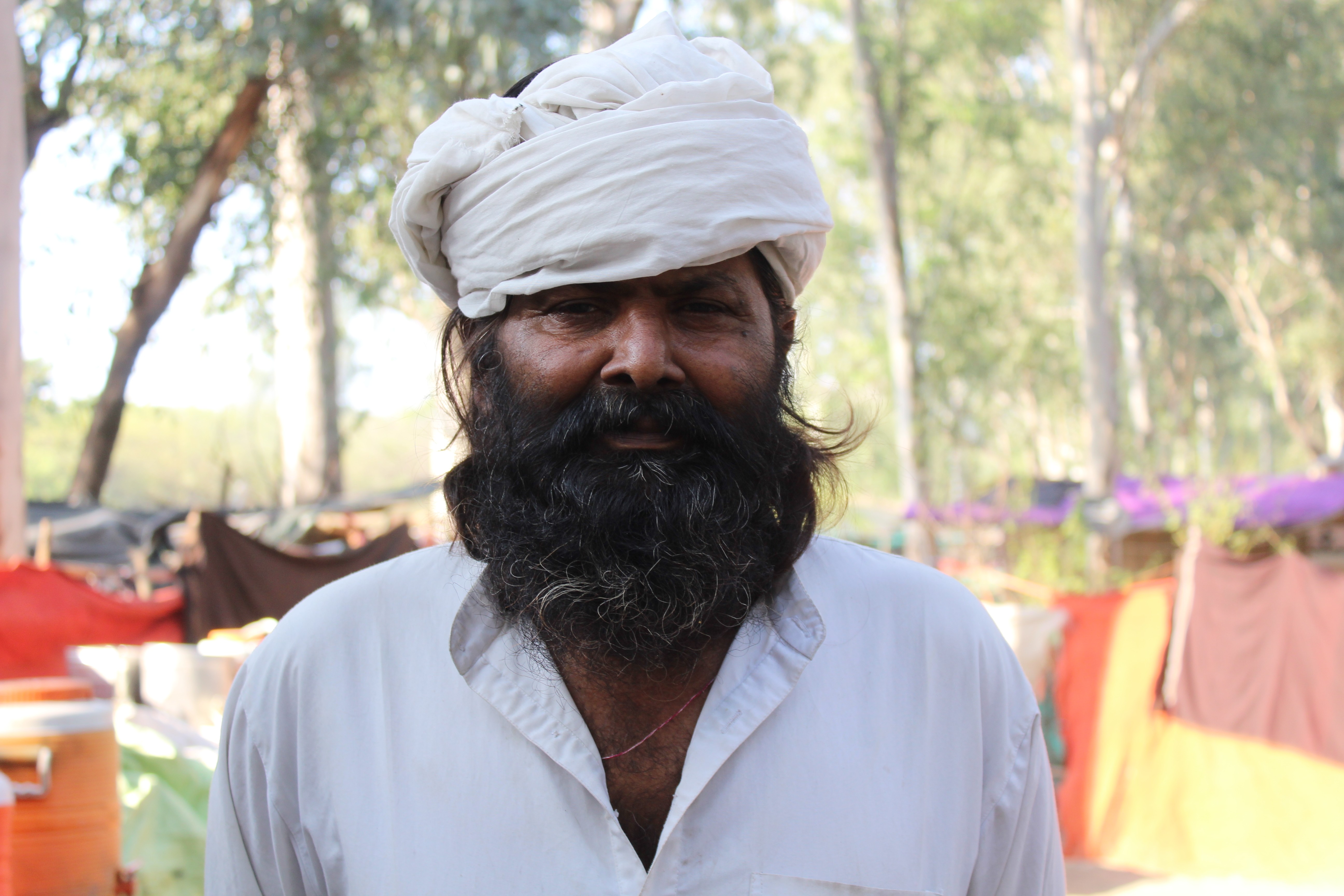
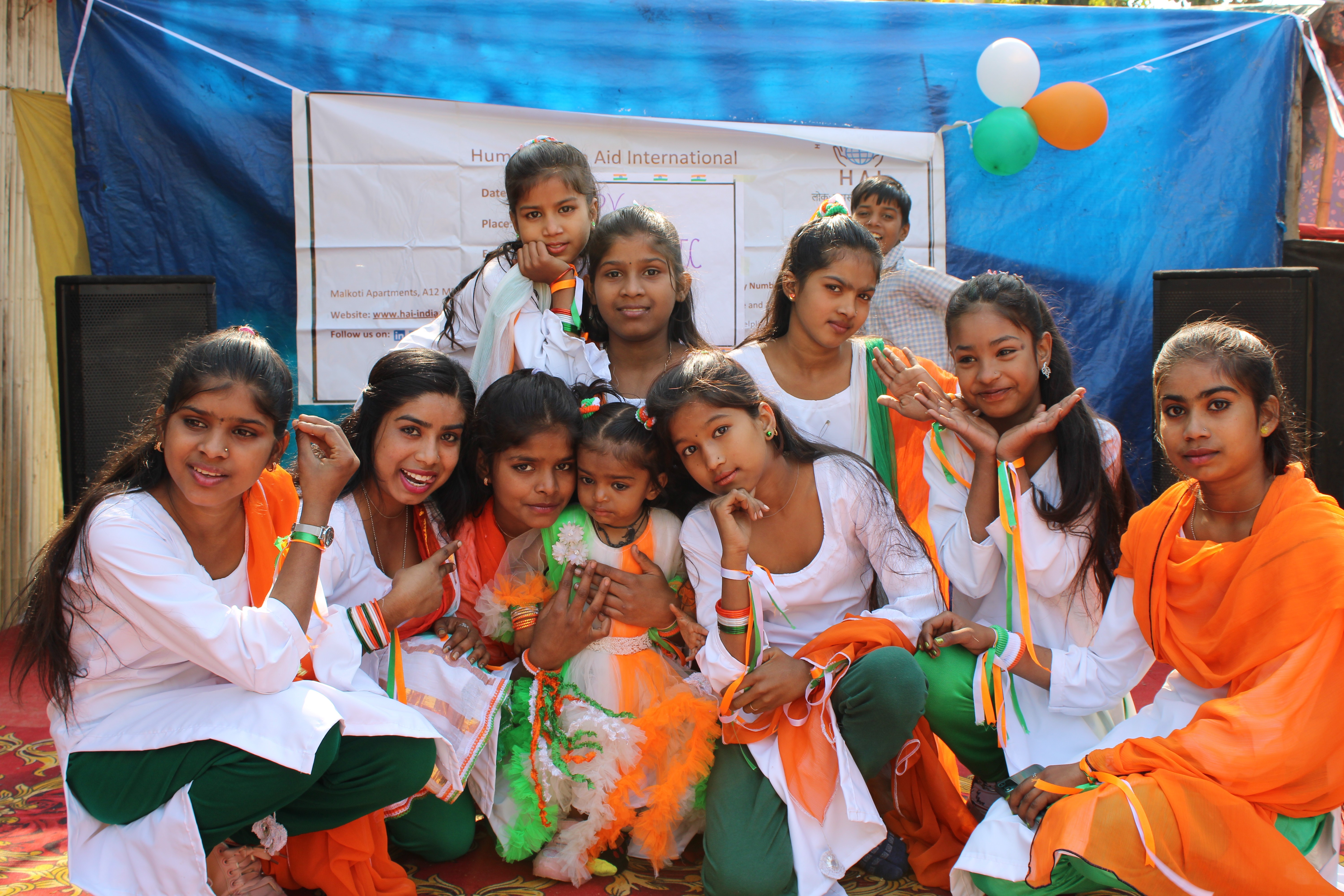
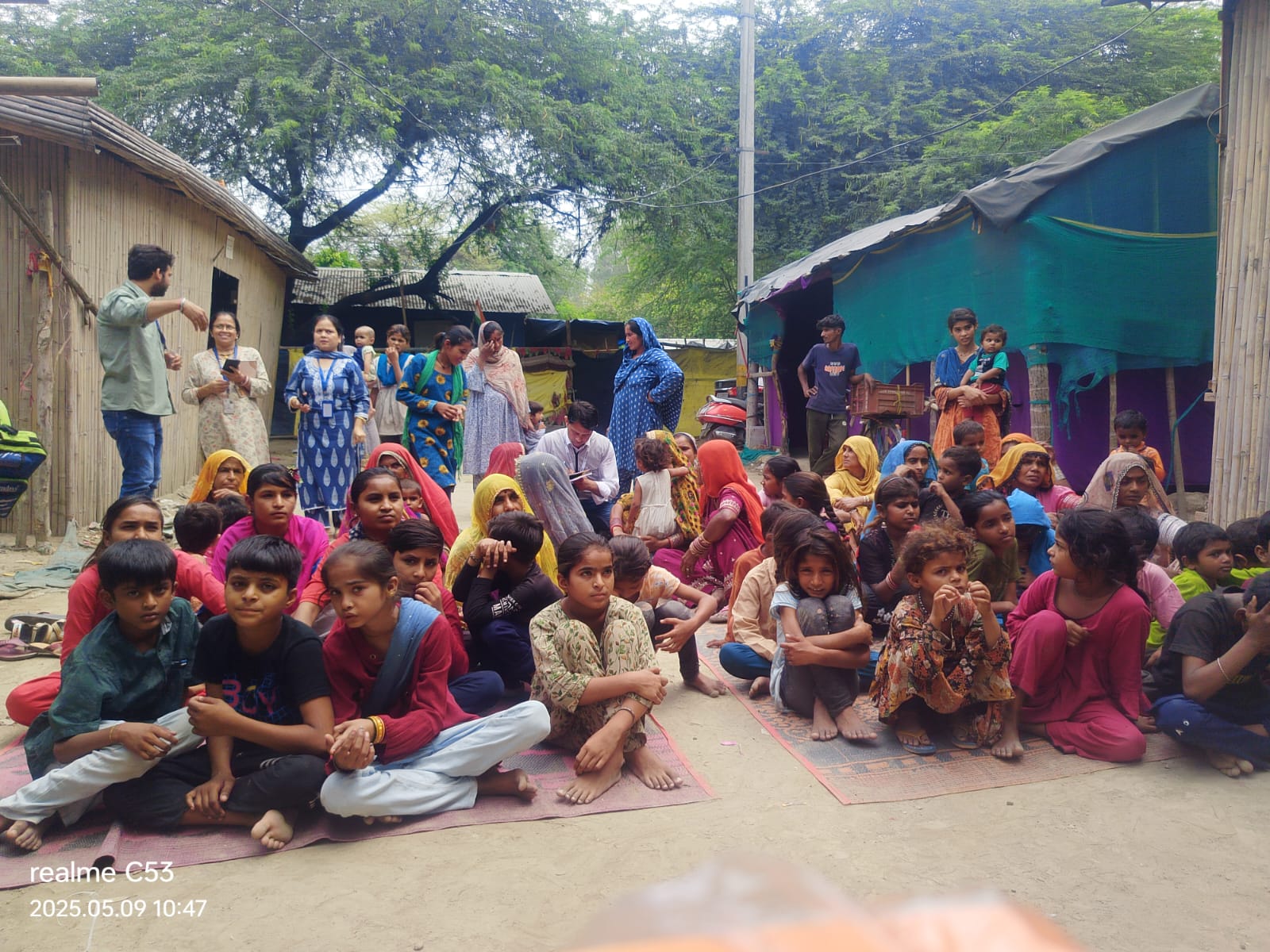
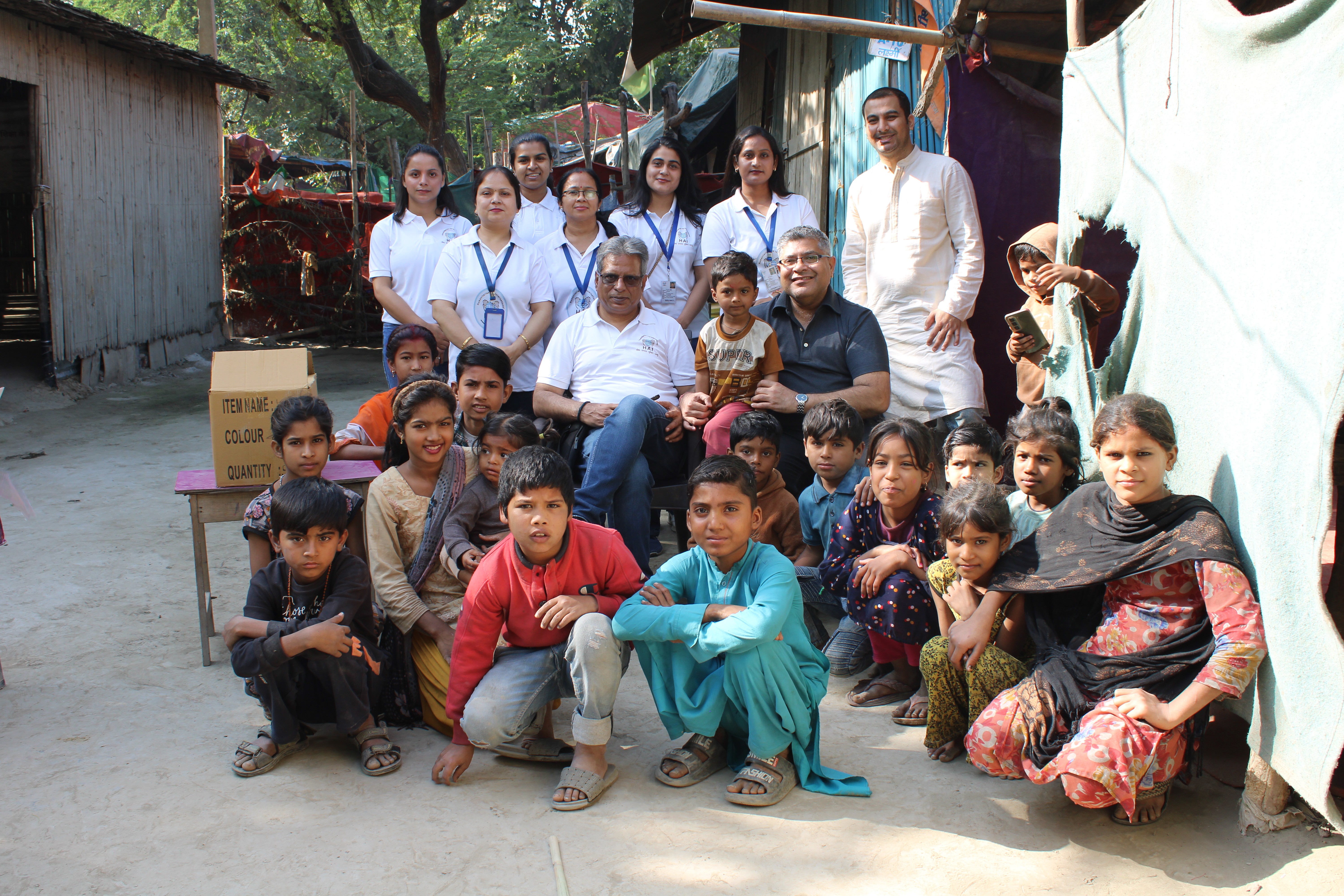
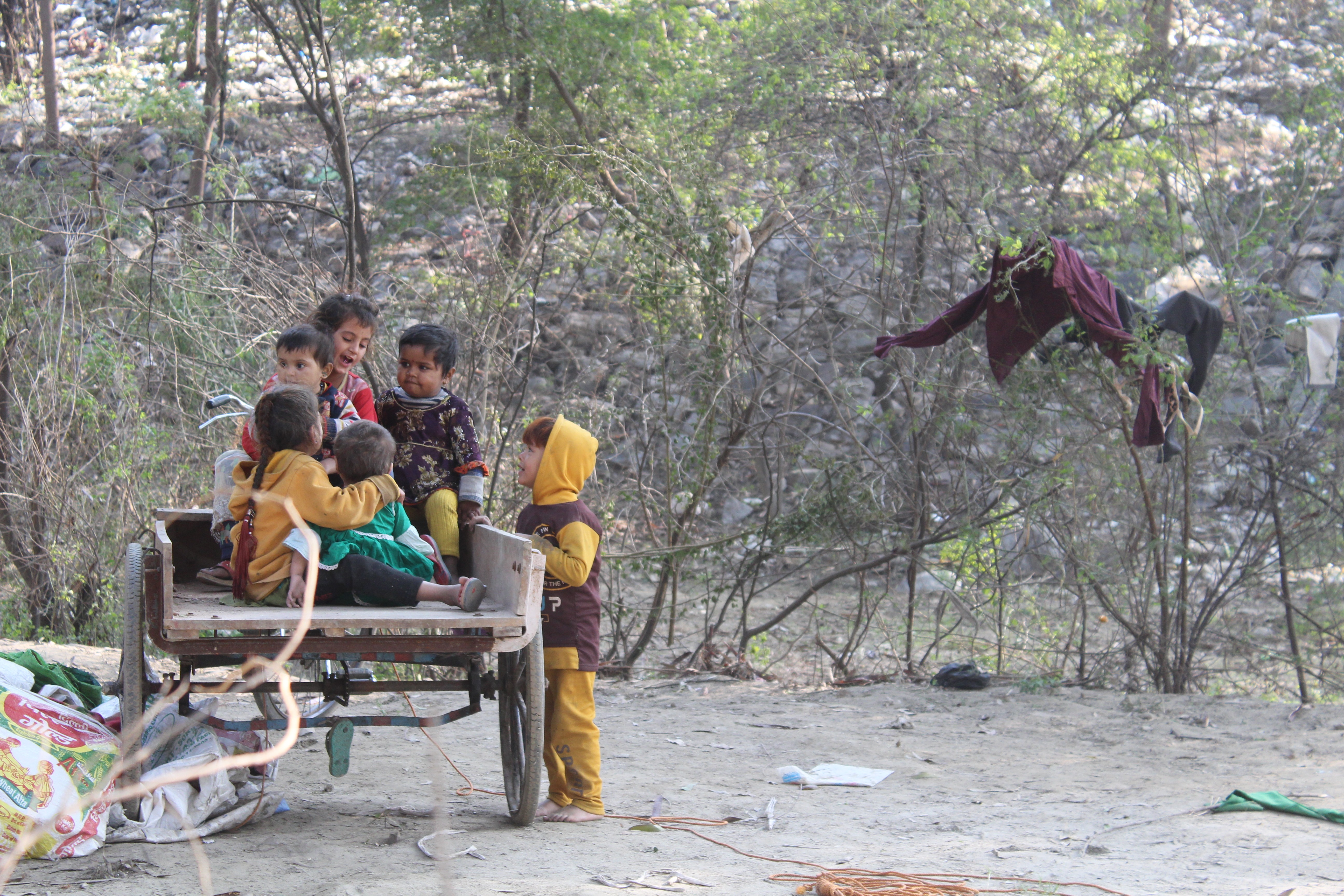
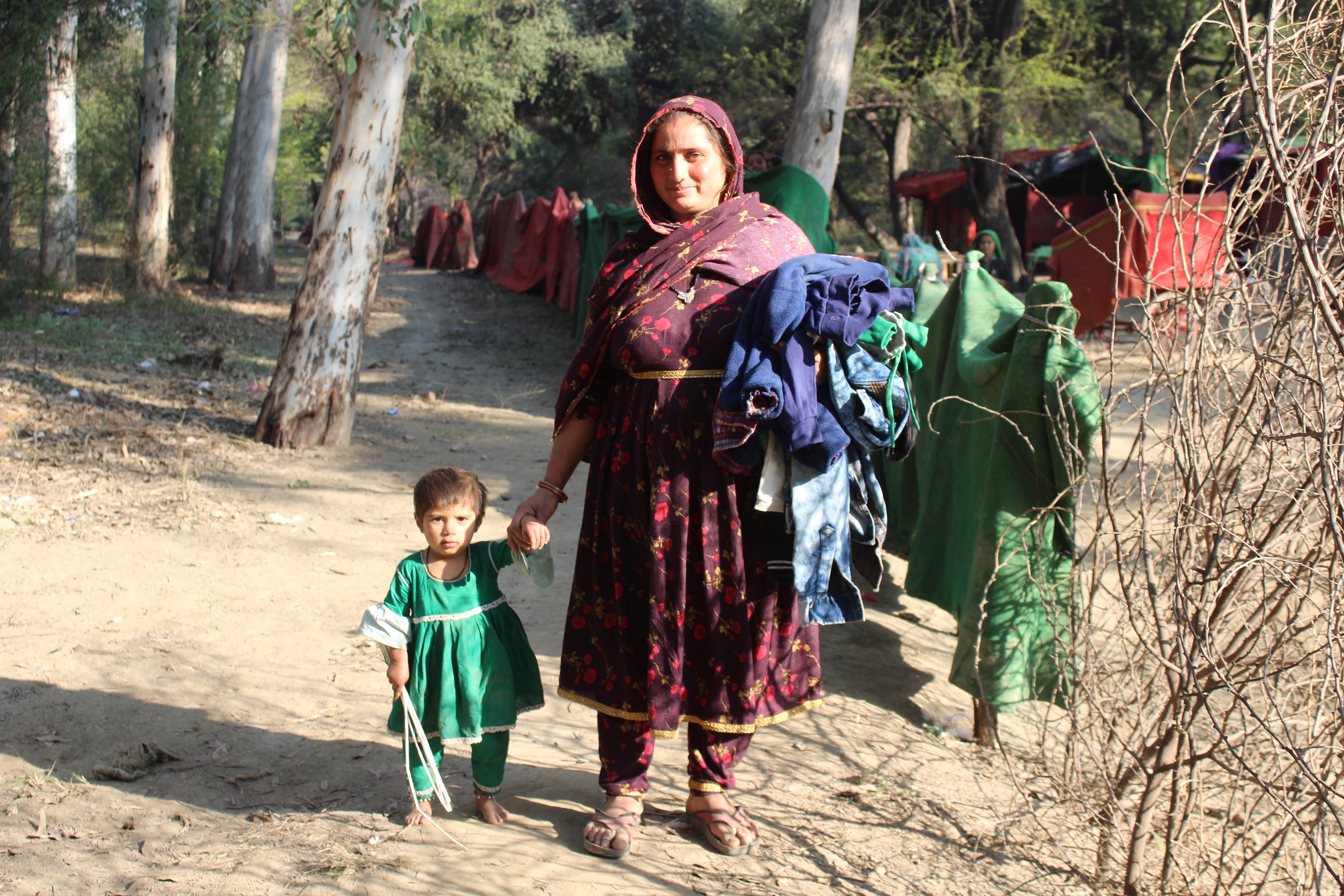
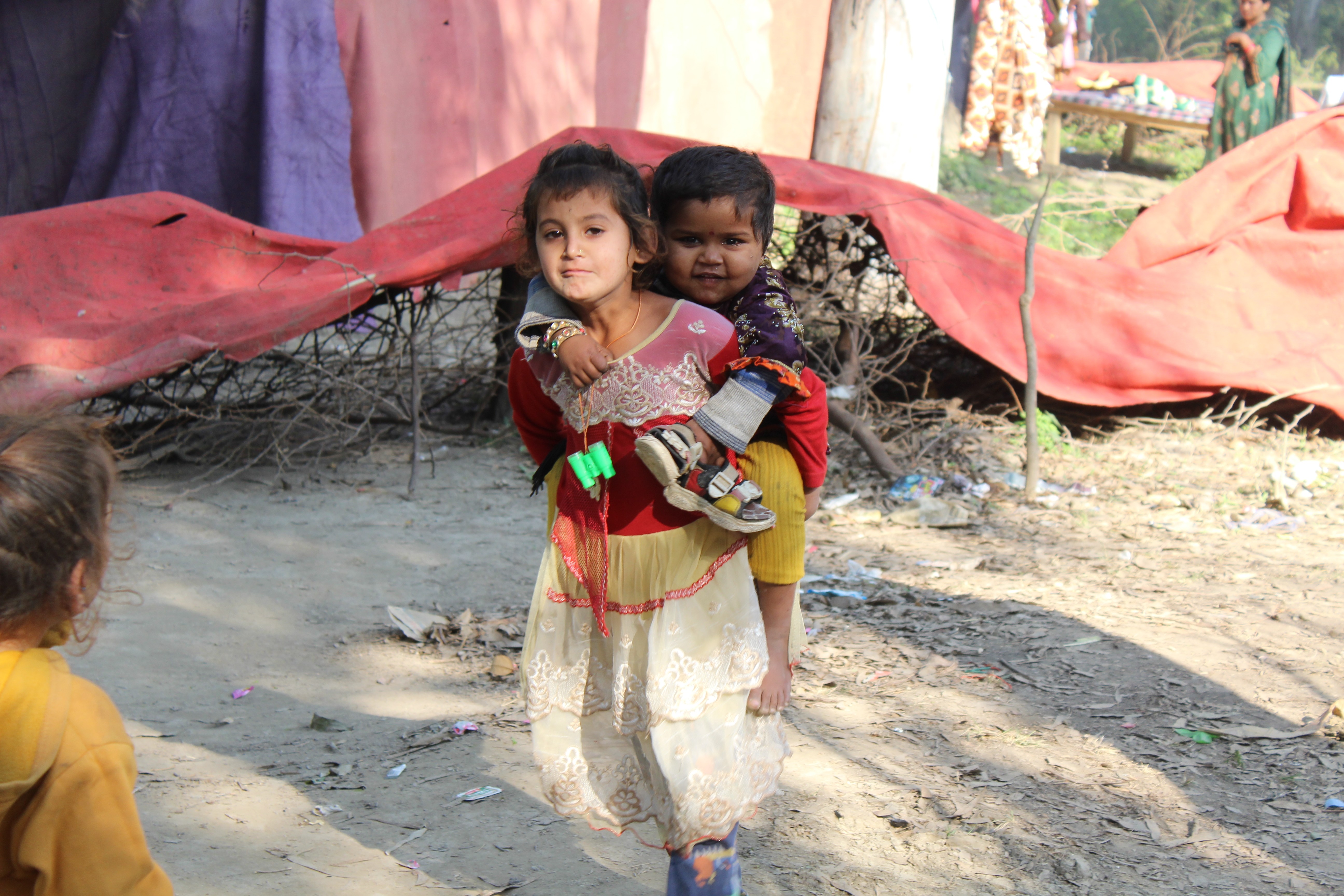
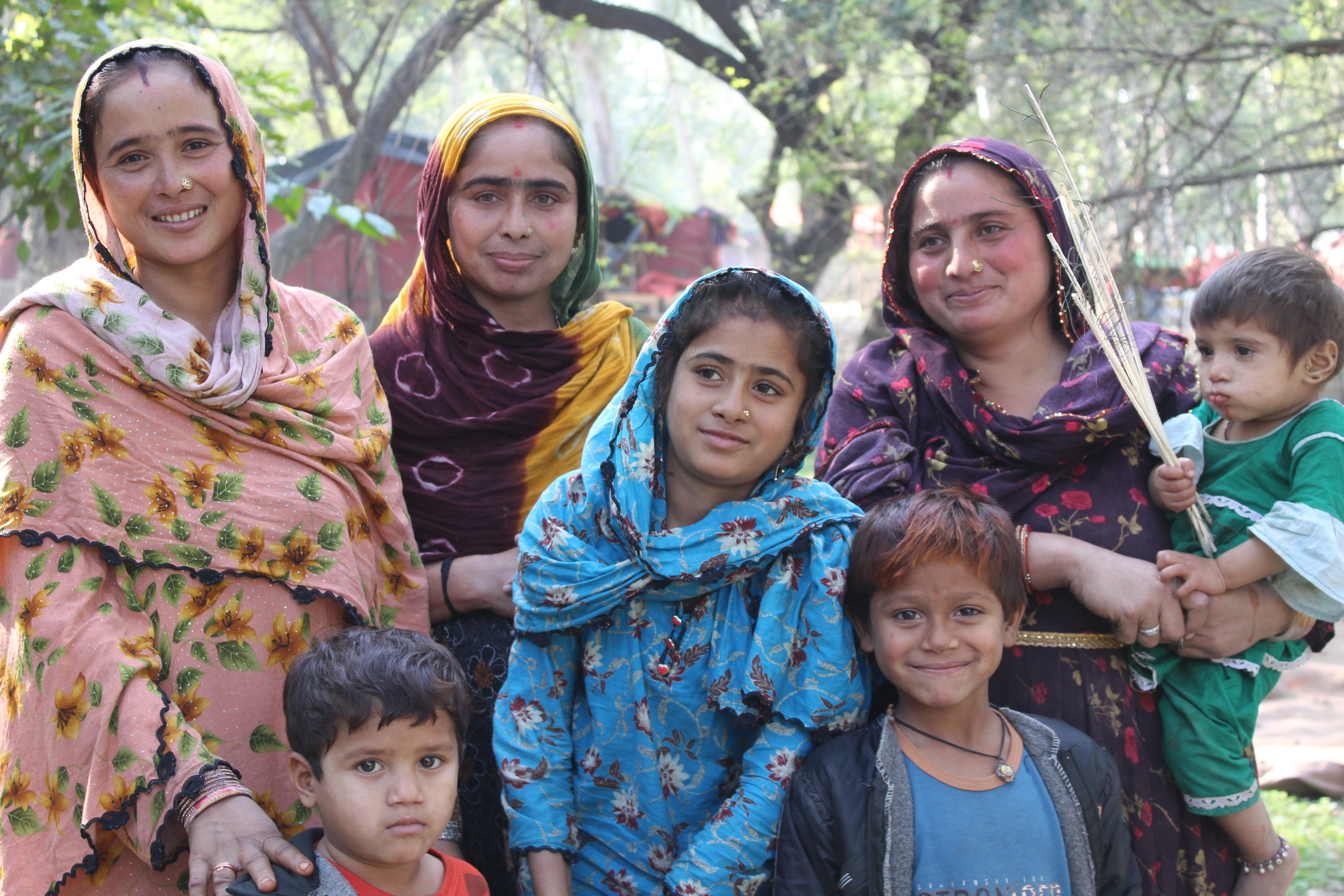
Religious minority communities from Pakistan have sought refuge in India since Partition, fleeing persecution, discrimination, forced conversions, and denial of basic rights. Many refugees, largely from Sindh province, arrive on pilgrim visas and pursue Long-Term Visas to rebuild their lives in India. Delhi hosts one of the largest concentrations, particularly in the Signature Bridge camp, where families face insecure housing, limited livelihoods, and barriers to services. Recurrent shocks, including severe flooding and lack of infrastructure have further damaged shelters, disrupted education and health, and deepened vulnerability, underscoring the need for sustained humanitarian and integration support.
Religious minority communities from Pakistan have sought refuge in India since Partition, fleeing persecution, discrimination, forced conversions, and denial of basic rights. Many refugees, largely from Sindh province, arrive on pilgrim visas and pursue Long-Term Visas to rebuild their lives in India. Delhi hosts one of the largest concentrations, particularly in the Signature Bridge camp, where families face insecure housing, limited livelihoods, and barriers to services. Recurrent shocks, including severe flooding and lack of infrastructure have further damaged shelters, disrupted education and health, and deepened vulnerability, underscoring the need for sustained humanitarian and integration support.
Religious minority communities from Pakistan have sought refuge in India since Partition, fleeing persecution, discrimination, forced conversions, and denial of basic rights. Many refugees, largely from Sindh province, arrive on pilgrim visas and pursue Long-Term Visas to rebuild their lives in India. Delhi hosts one of the largest concentrations, particularly in the Signature Bridge camp, where families face insecure housing, limited livelihoods, and barriers to services. Recurrent shocks, including severe flooding and lack of infrastructure have further damaged shelters, disrupted education and health, and deepened vulnerability, underscoring the need for sustained humanitarian and integration support.

what does your contribution mean?
what does your contribution mean?
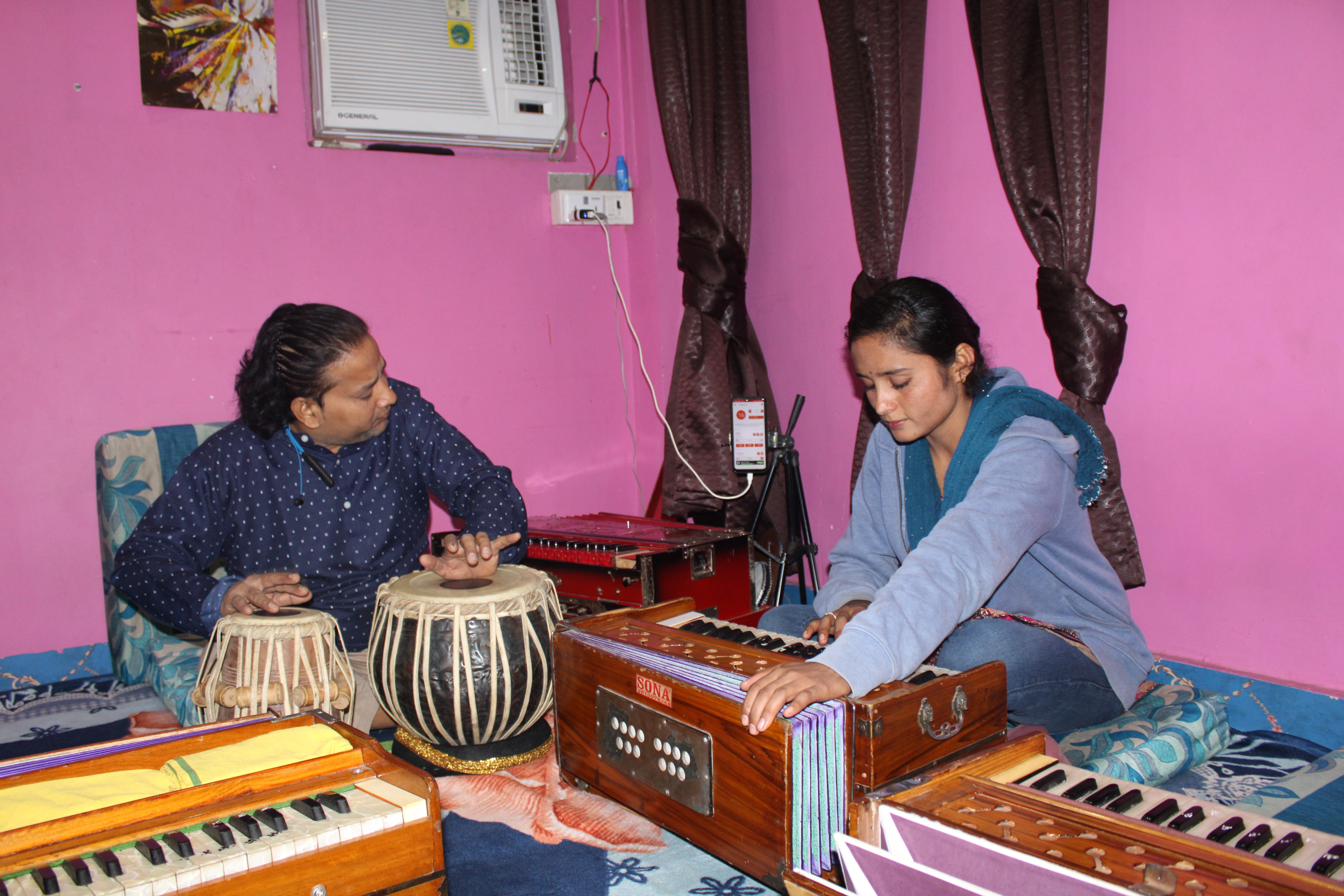
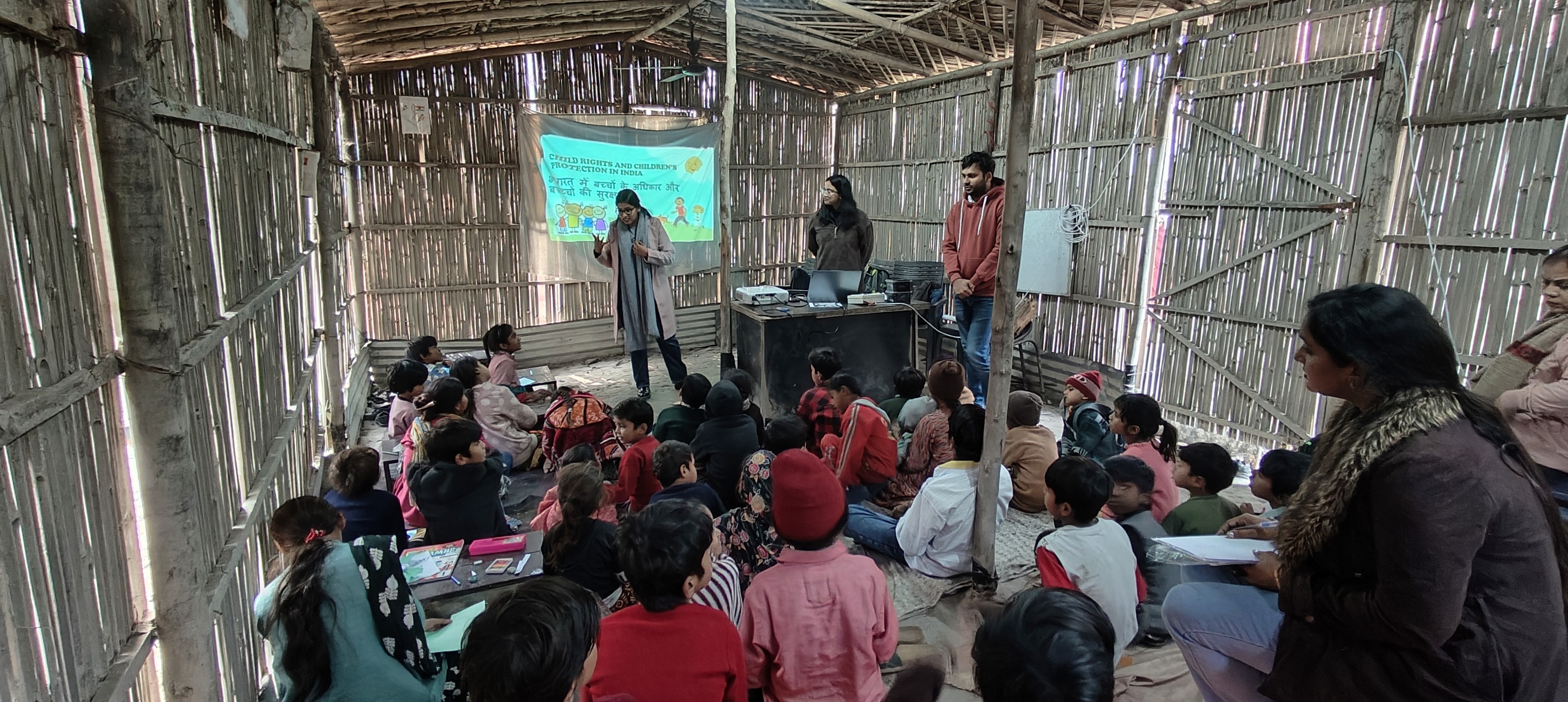
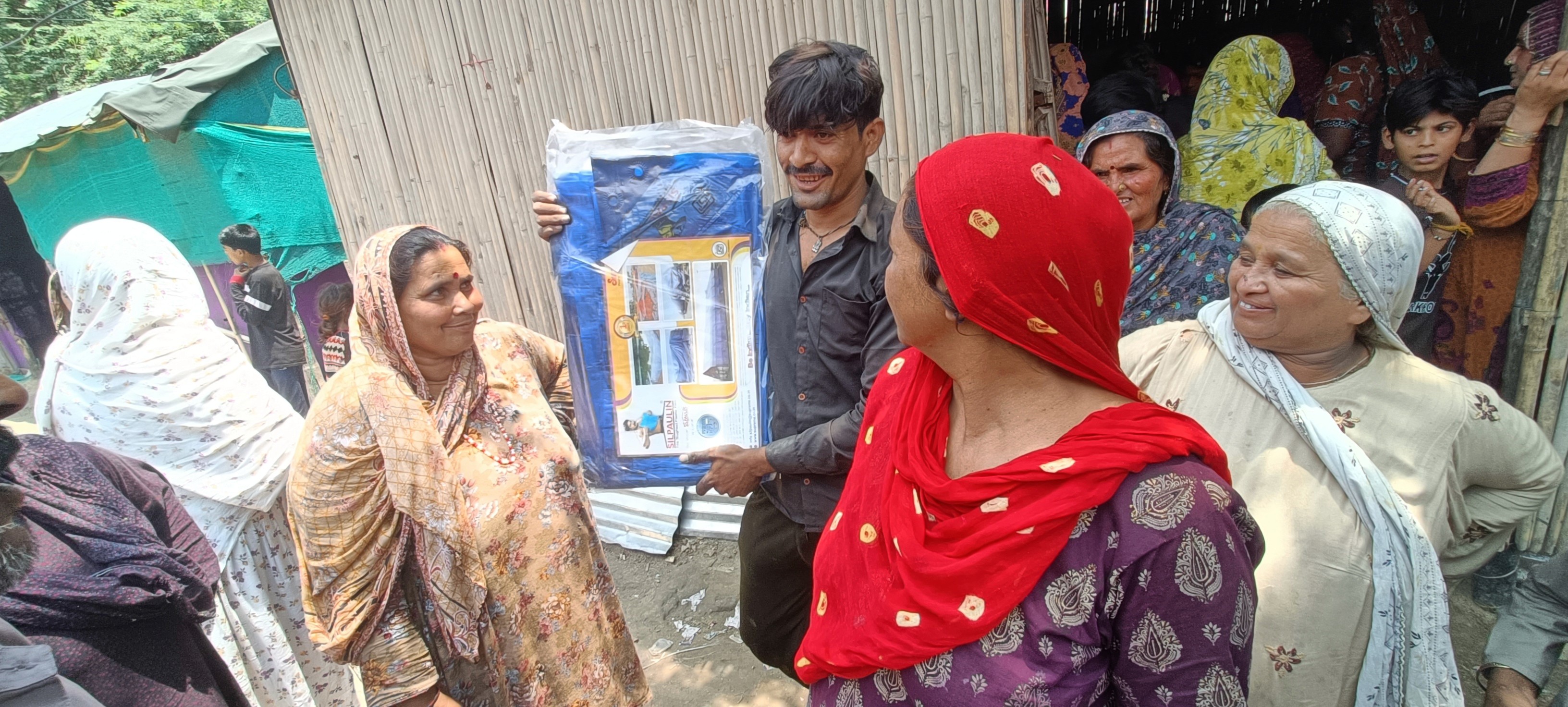
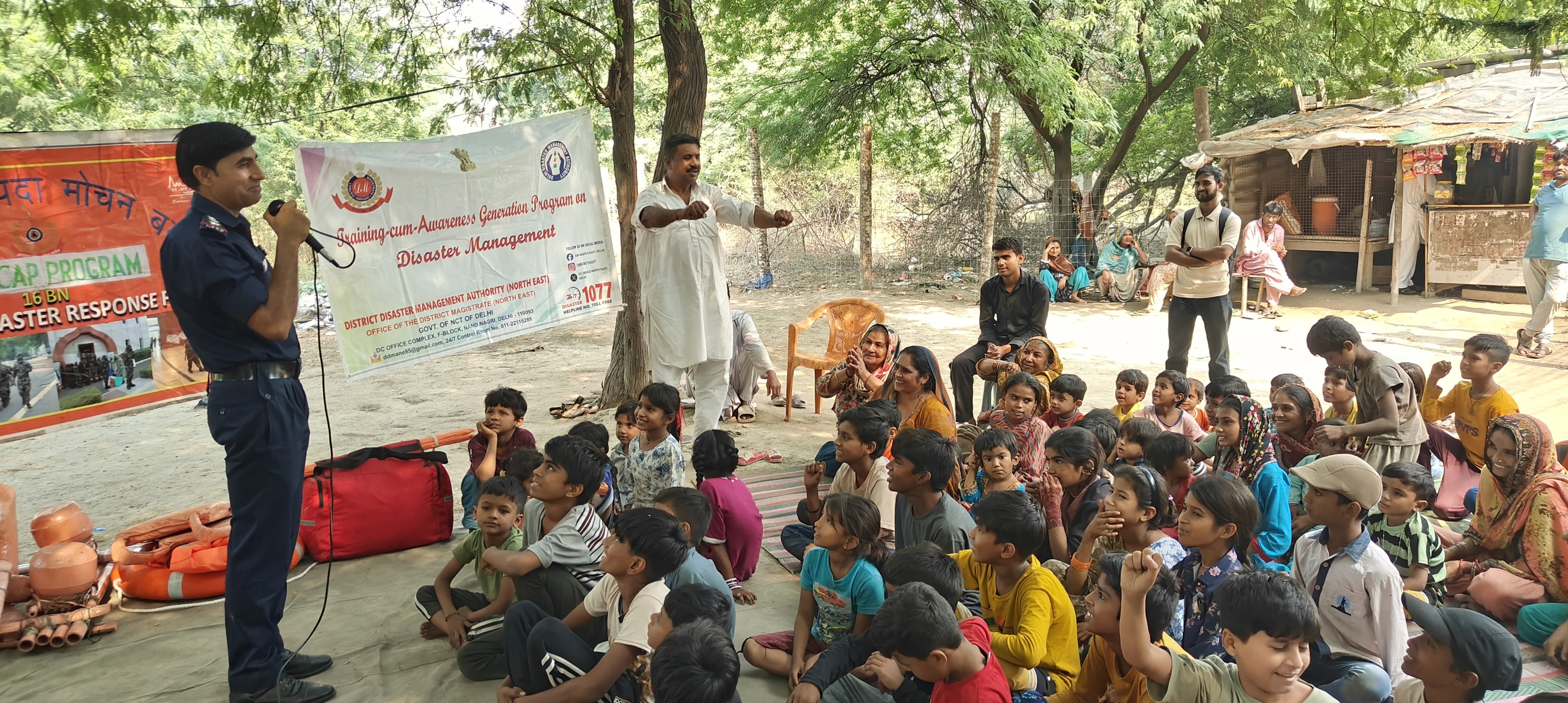
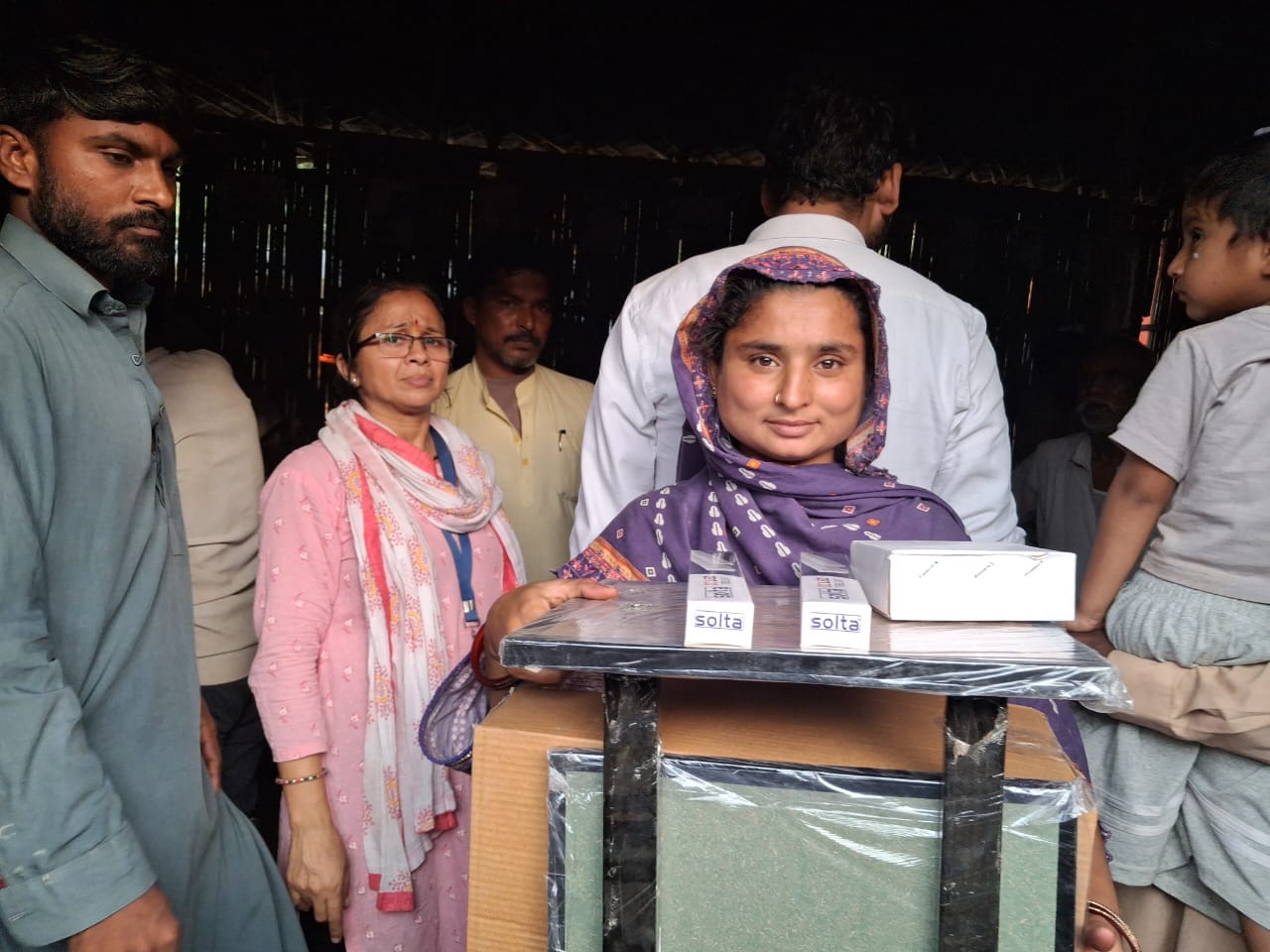
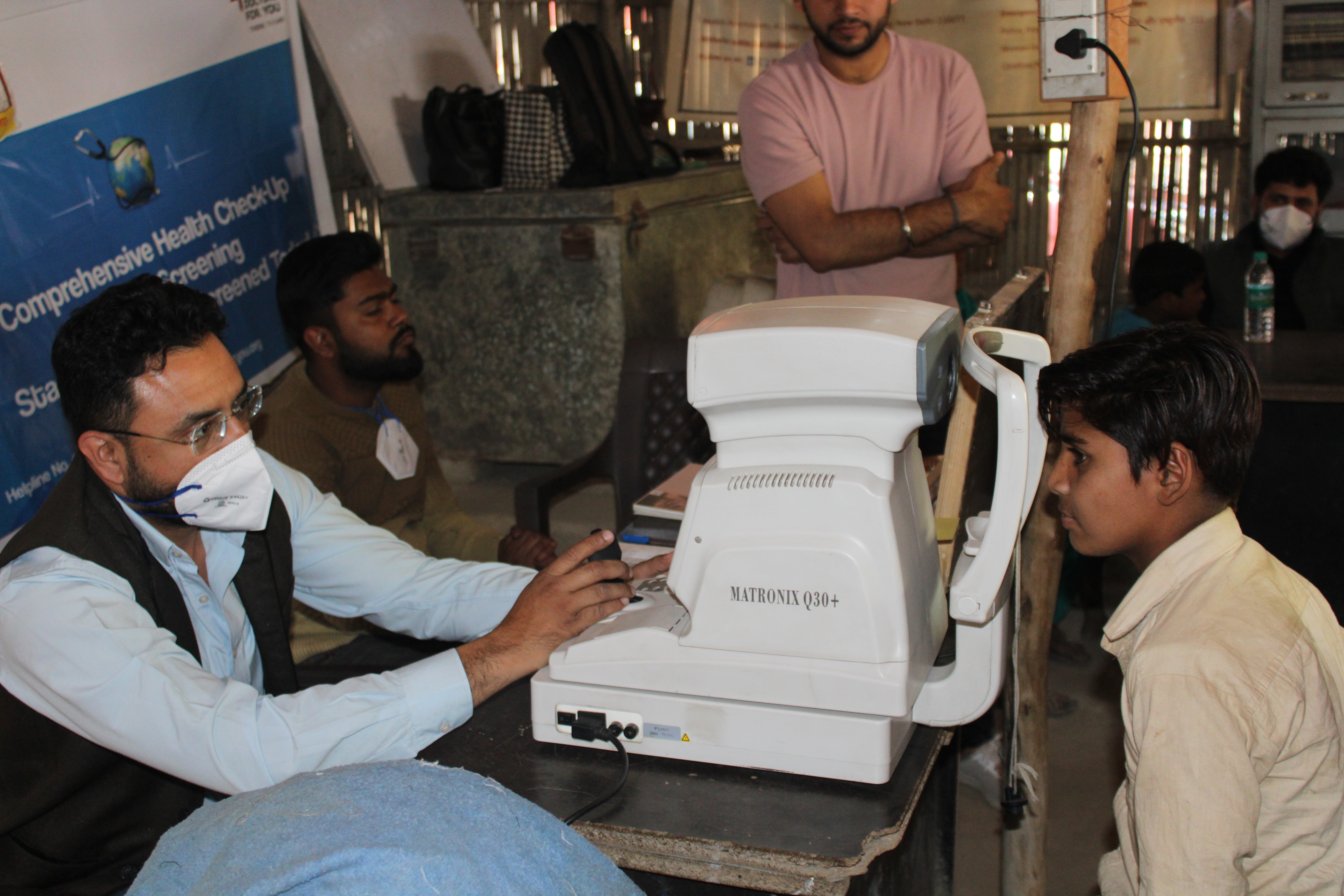
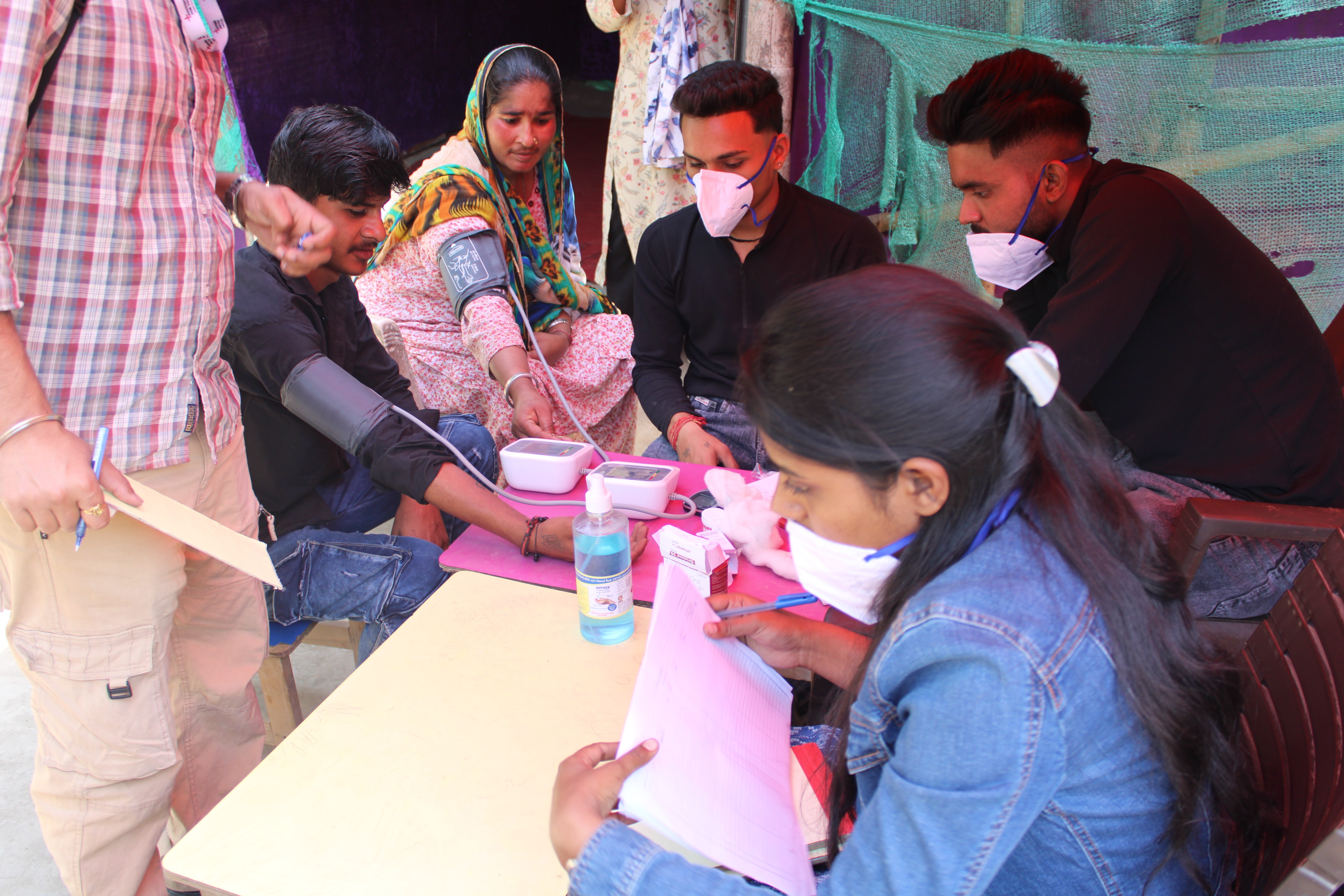
Supporting refugees means enabling dignified, self-reliant lives through a needs-based, inclusive approach. This includes access to basic amenities such as safe water, sanitation, electricity, and disaster-resilient shelters; education for children and adults to prevent dropouts and build skills; healthcare through regular camps and referrals; and livelihood support via vocational training, entrepreneurship, and market linkages, especially for women. Legal assistance is vital to help families secure documentation, Long-Term Visas, and access to public services. Post-disaster recovery, community participation, and collaboration with government institutions ensure sustainable integration and welfare of displaced minorities.
Supporting refugees means enabling dignified, self-reliant lives through a needs-based, inclusive approach. This includes access to basic amenities such as safe water, sanitation, electricity, and disaster-resilient shelters; education for children and adults to prevent dropouts and build skills; healthcare through regular camps and referrals; and livelihood support via vocational training, entrepreneurship, and market linkages, especially for women. Legal assistance is vital to help families secure documentation, Long-Term Visas, and access to public services. Post-disaster recovery, community participation, and collaboration with government institutions ensure sustainable integration and welfare of displaced minorities.
Supporting refugees means enabling dignified, self-reliant lives through a needs-based, inclusive approach. This includes access to basic amenities such as safe water, sanitation, electricity, and disaster-resilient shelters; education for children and adults to prevent dropouts and build skills; healthcare through regular camps and referrals; and livelihood support via vocational training, entrepreneurship, and market linkages, especially for women. Legal assistance is vital to help families secure documentation, Long-Term Visas, and access to public services. Post-disaster recovery, community participation, and collaboration with government institutions ensure sustainable integration and welfare of displaced minorities.
Support Refugees from Pakistan
What Would Make You Leave Everything Behind?
Your home. Your job. Your loved ones. What would make you give it all up, pack a small bag, and flee to an unfamiliar land? If no answer comes to mind, consider yourself one of the lucky ones.