Background and COntext
Background and Context
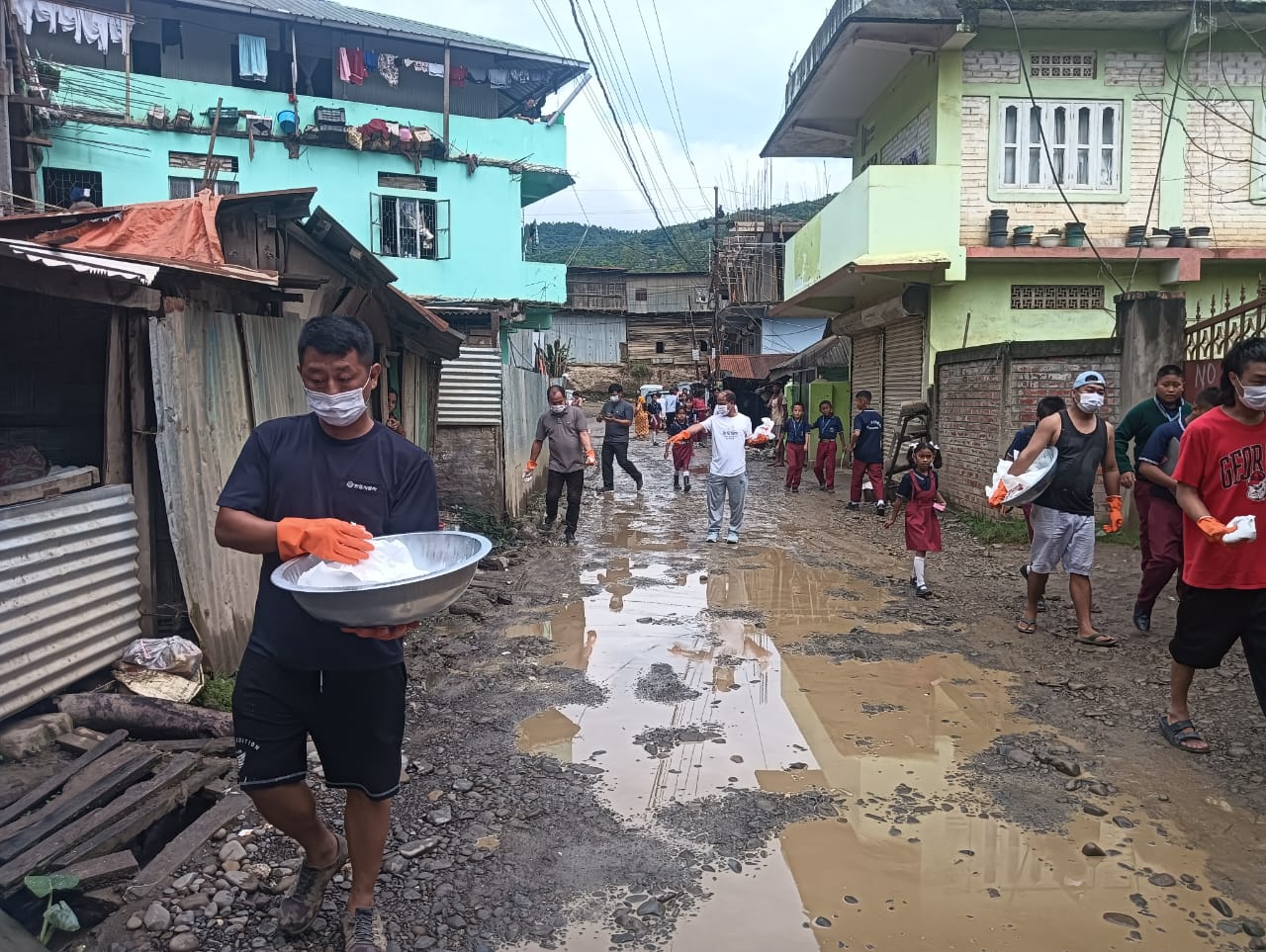
India is among the world’s most disaster-prone countries, experiencing recurrent floods, cyclones, earthquakes, heatwaves, and complex humanitarian emergencies. These shocks disproportionately affect marginalised communities, where pre-existing vulnerabilities such as poverty, displacement, gender inequality, and fragile public services exacerbate humanitarian need.
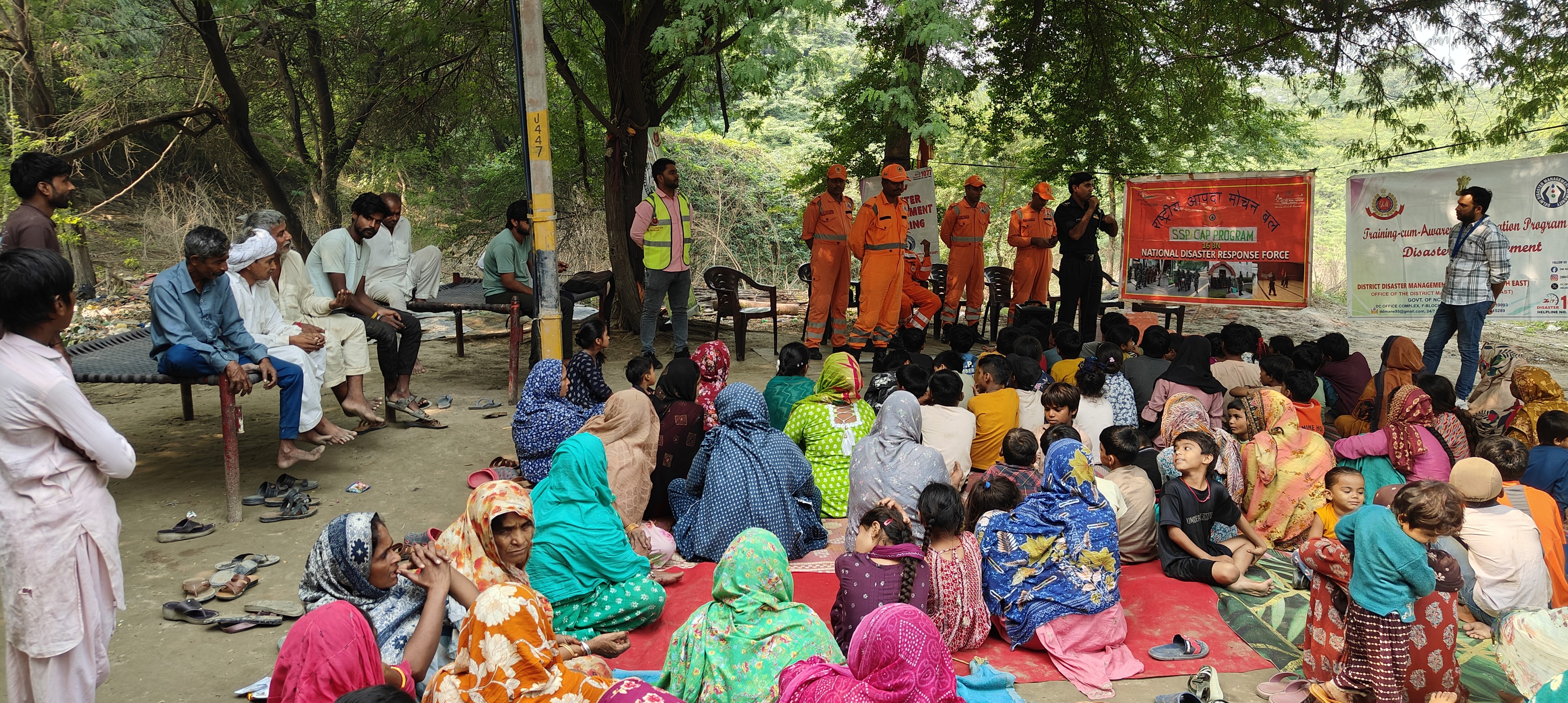
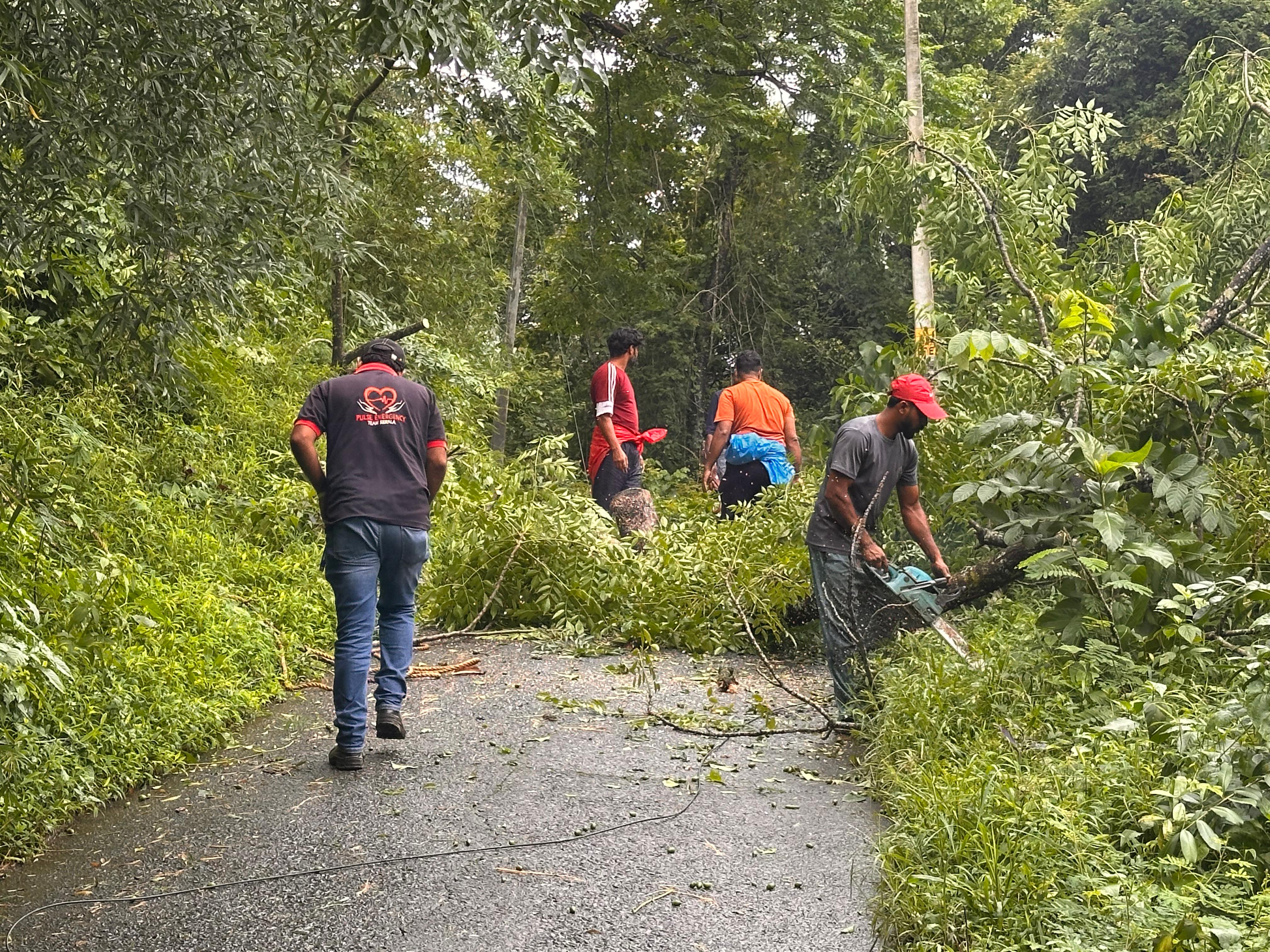
While international assistance plays an important role, local organisations and communities are almost always the first responders. Yet they remain chronically under-resourced, under-recognised, and excluded from timely decision-making and funding. Strengthening locally led, principled, and accountable disaster response is therefore essential not only to save lives, but to support dignified recovery and long-term resilience.
India is among the world’s most disaster-prone countries, experiencing recurrent floods, cyclones, earthquakes, heatwaves, and complex humanitarian emergencies. These shocks disproportionately affect marginalised communities, where pre-existing vulnerabilities such as poverty, displacement, gender inequality, and fragile public services exacerbate humanitarian need.
While international assistance plays an important role, local organisations and communities are almost always the first responders. Yet they remain chronically under-resourced, under-recognised, and excluded from timely decision-making and funding. Strengthening locally led, principled, and accountable disaster response is therefore essential not only to save lives, but to support dignified recovery and long-term resilience.
India is among the world’s most disaster-prone countries, experiencing recurrent floods, cyclones, earthquakes, heatwaves, and complex humanitarian emergencies. These shocks disproportionately affect marginalised communities, where pre-existing vulnerabilities such as poverty, displacement, gender inequality, and fragile public services exacerbate humanitarian need.
While international assistance plays an important role, local organisations and communities are almost always the first responders. Yet they remain chronically under-resourced, under-recognised, and excluded from timely decision-making and funding. Strengthening locally led, principled, and accountable disaster response is therefore essential not only to save lives, but to support dignified recovery and long-term resilience.


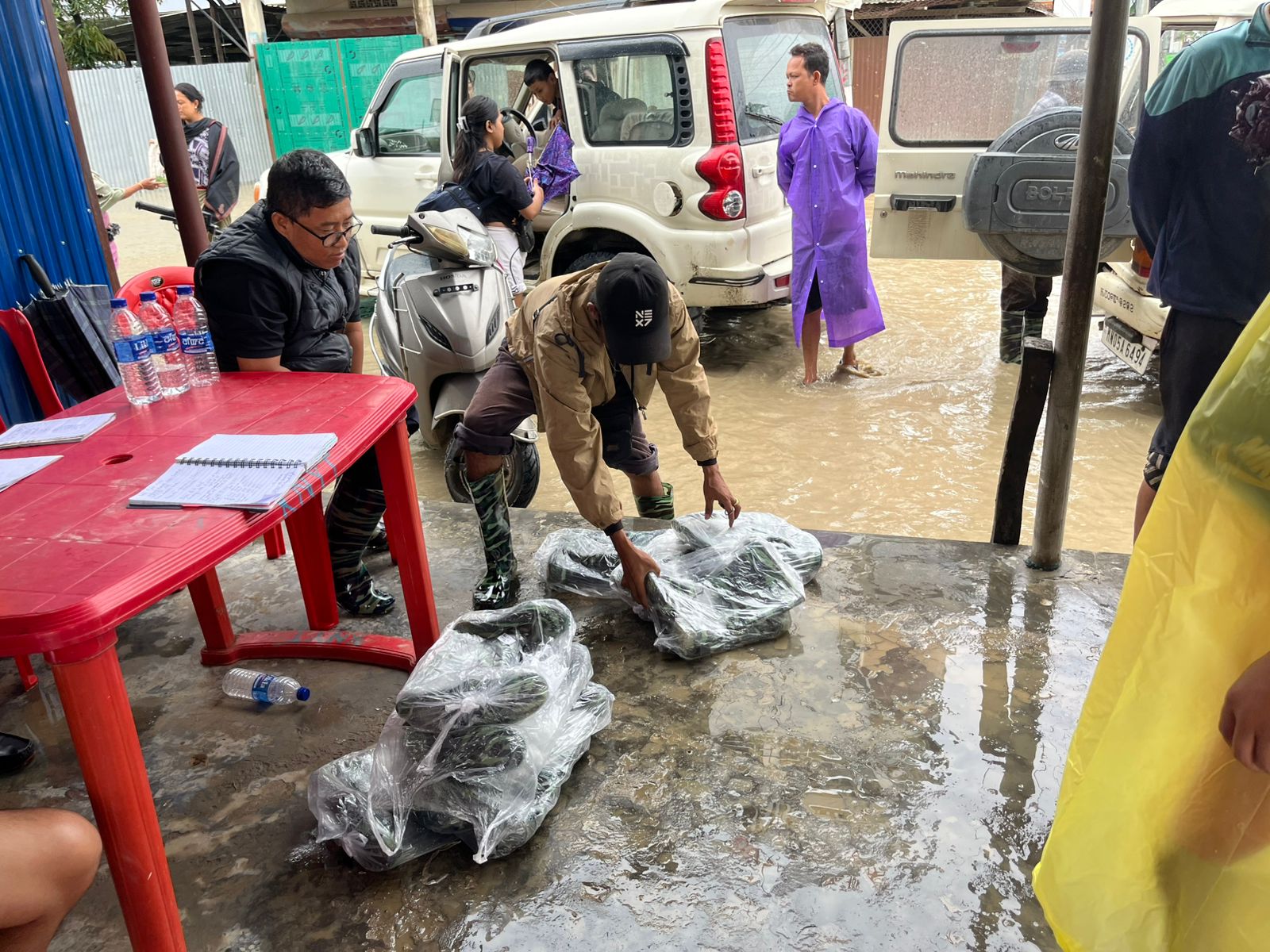
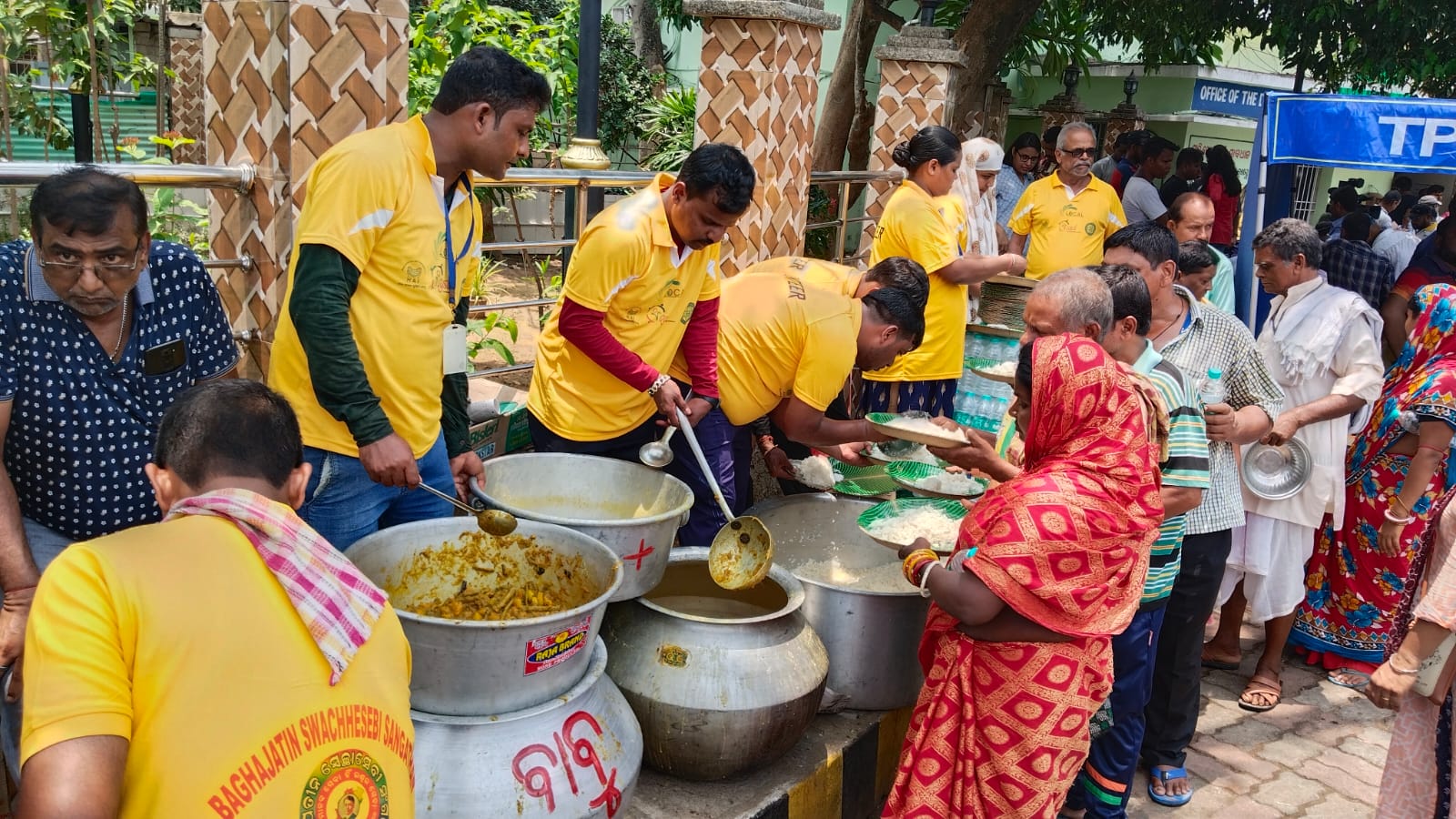
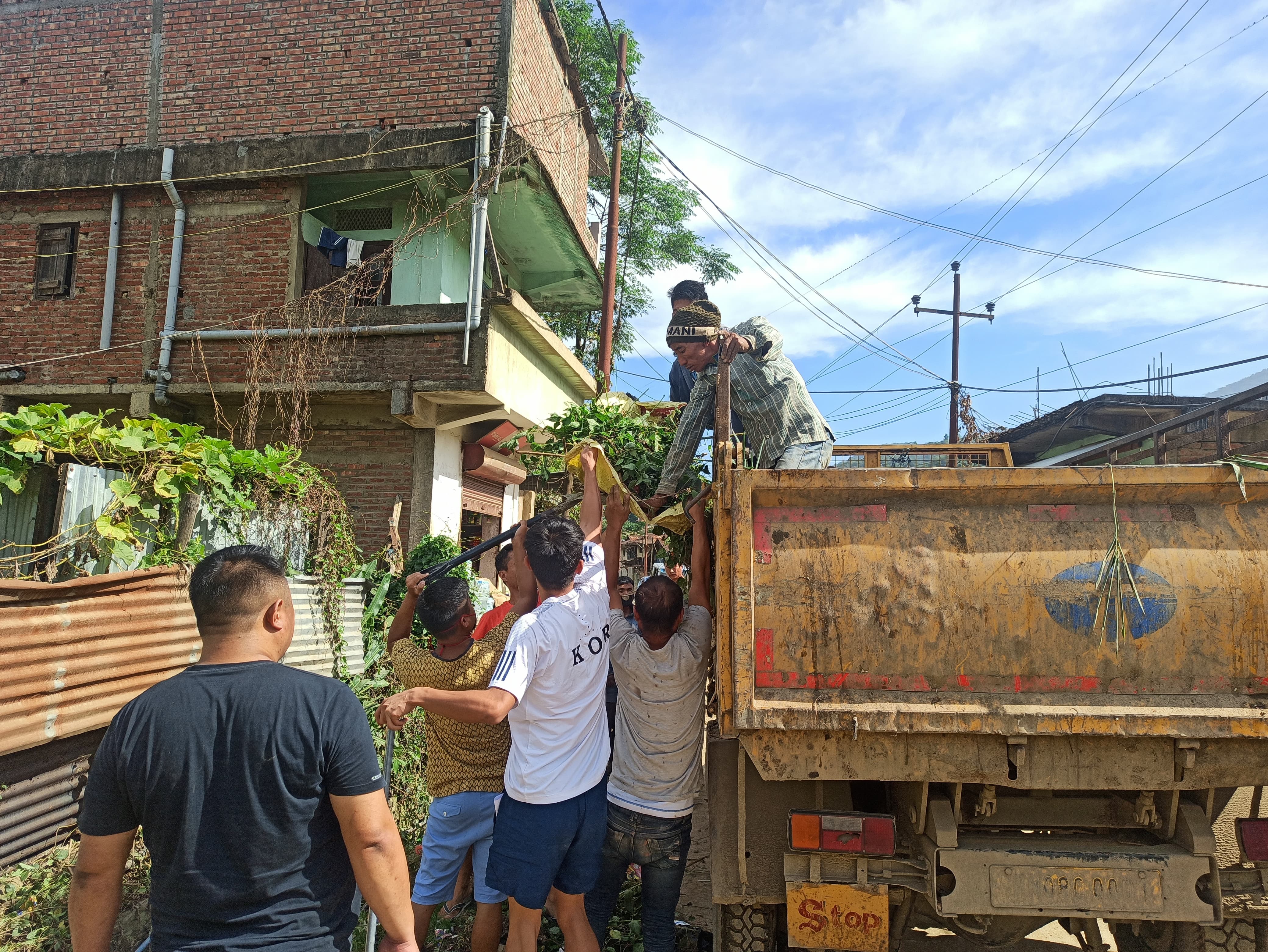
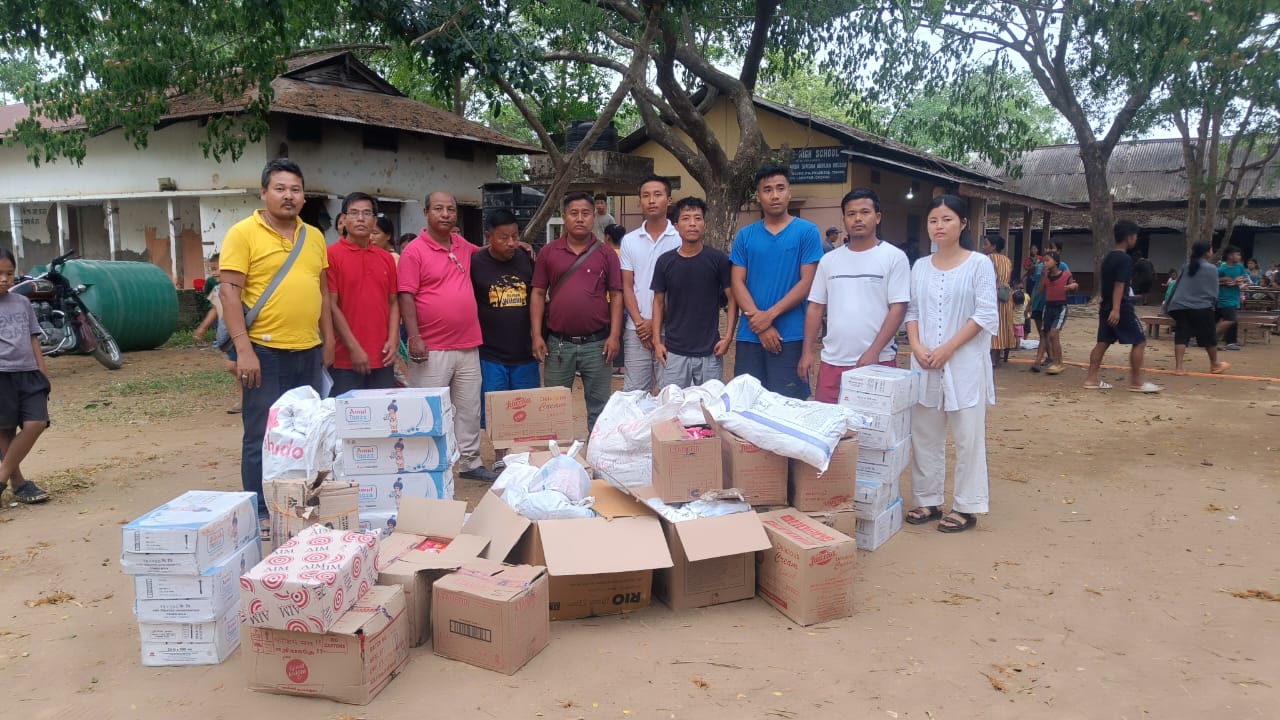
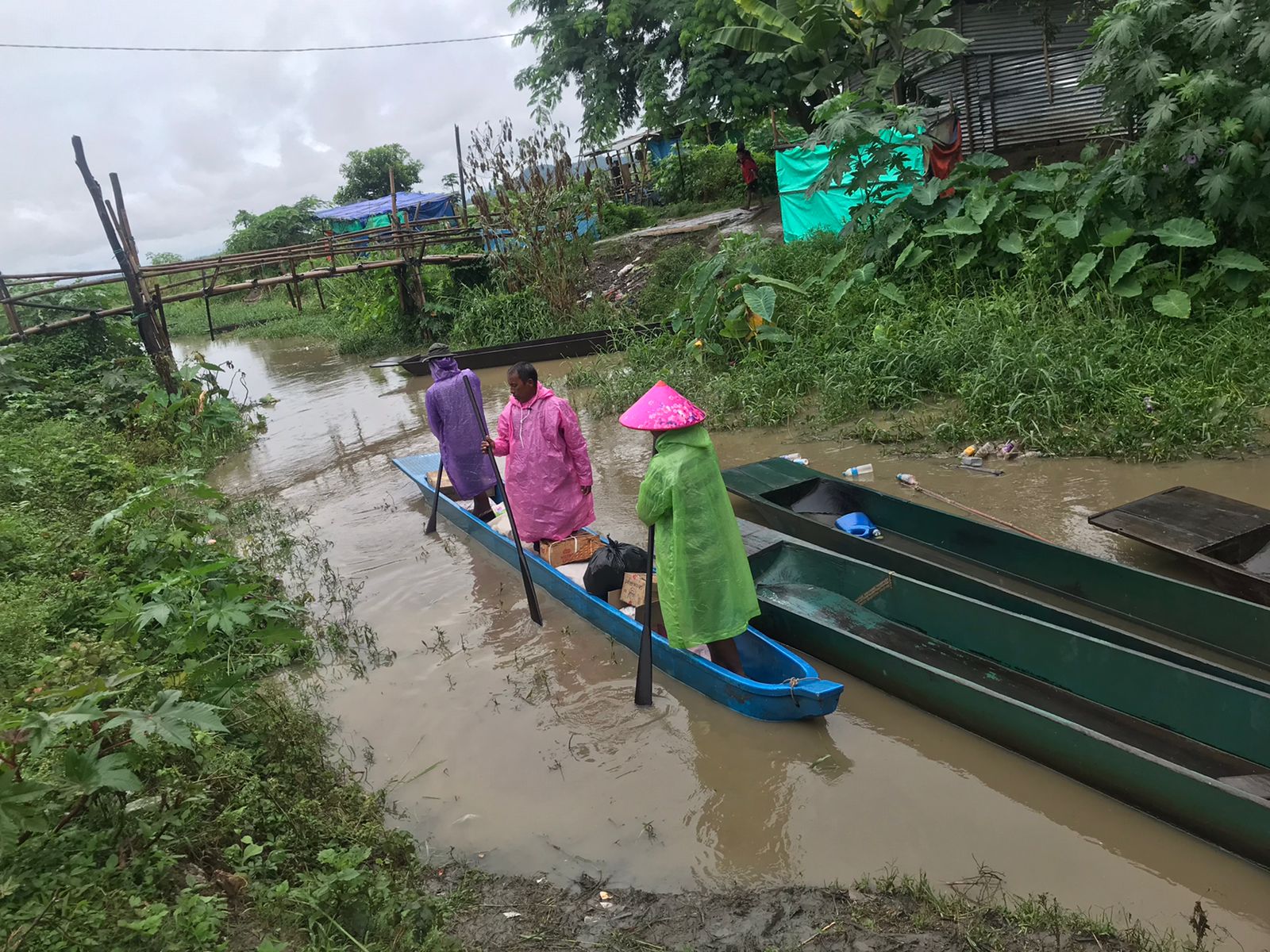
HAI's Disaster Response Strategy
HAI's Disaster Response Strategy
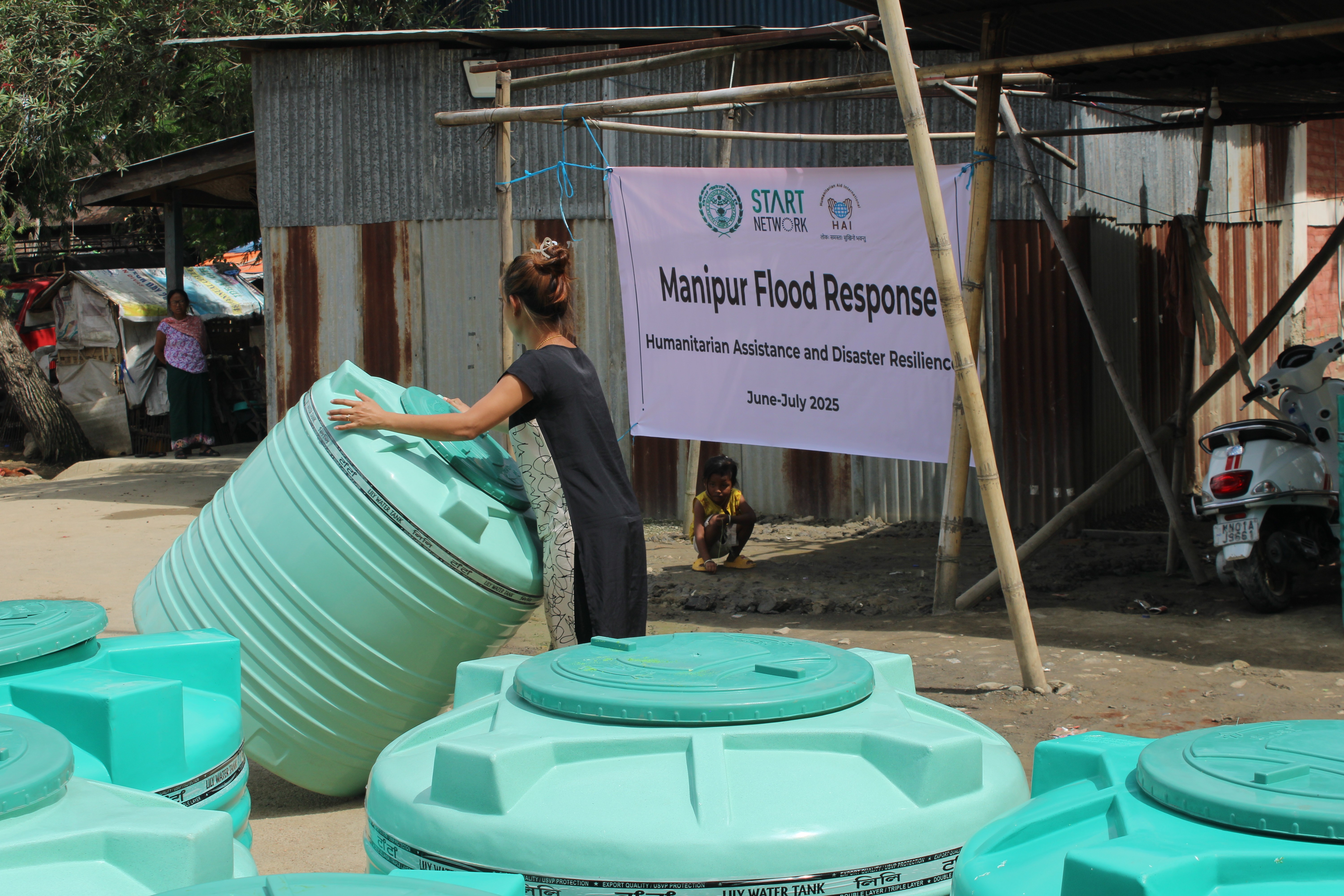
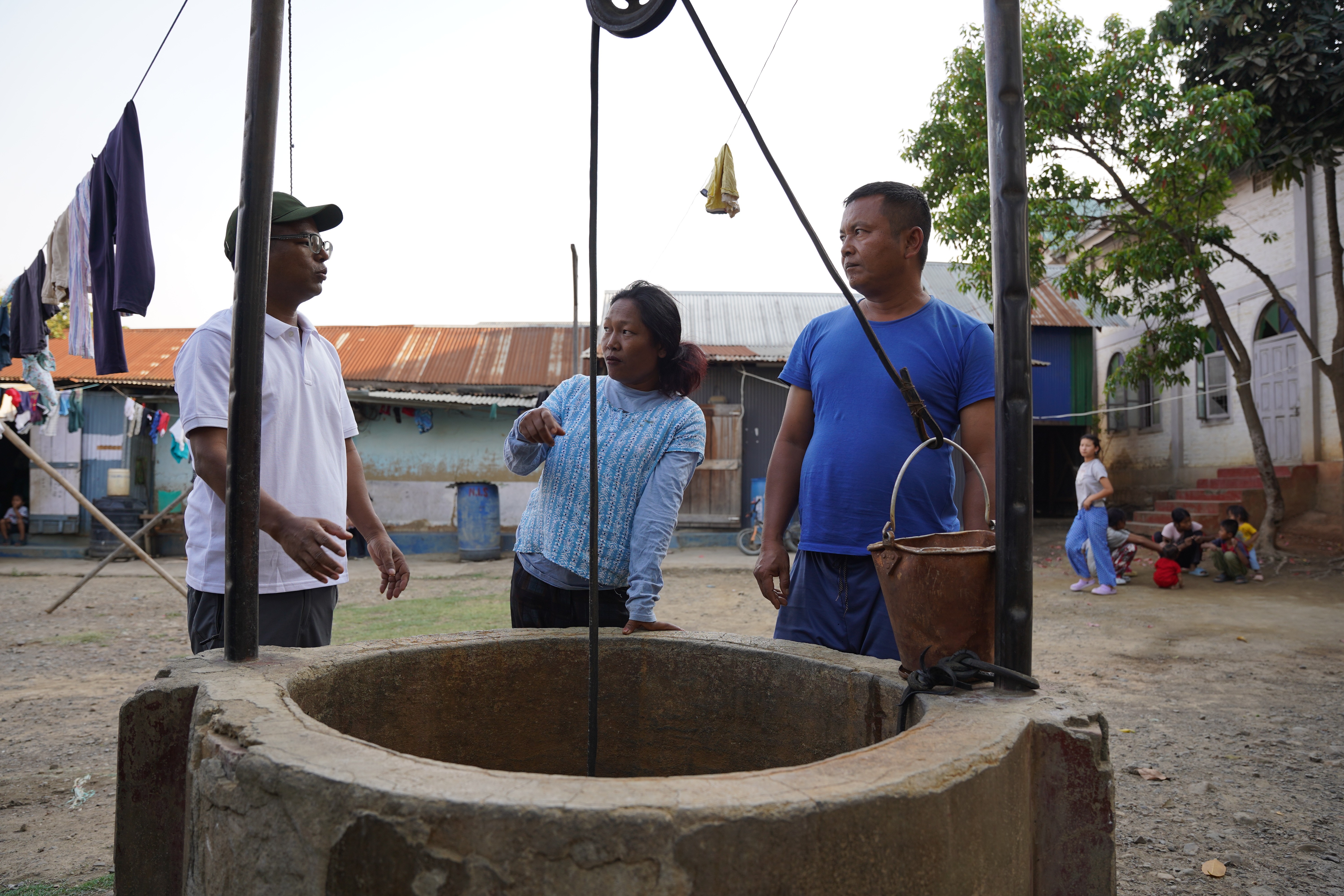
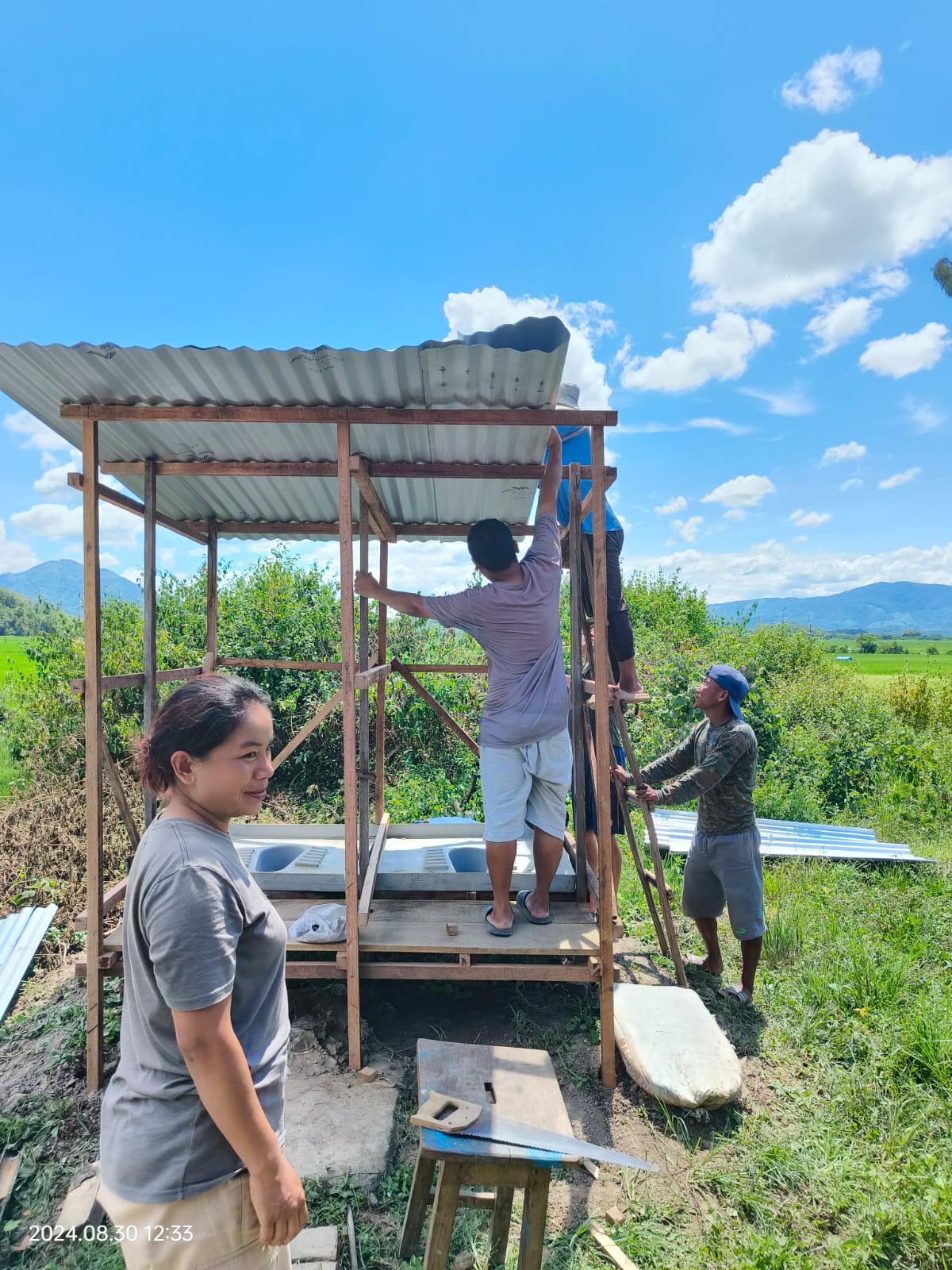
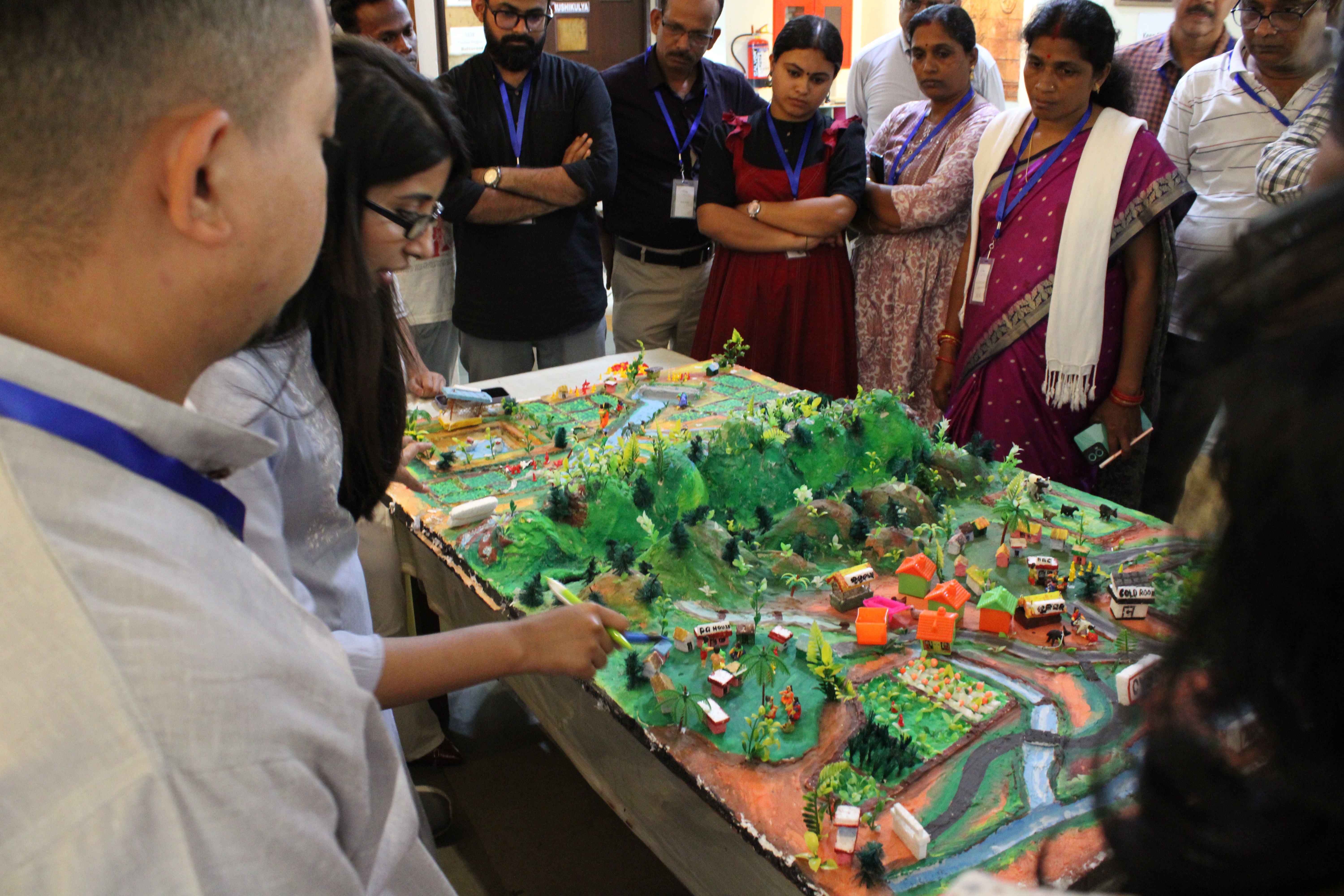
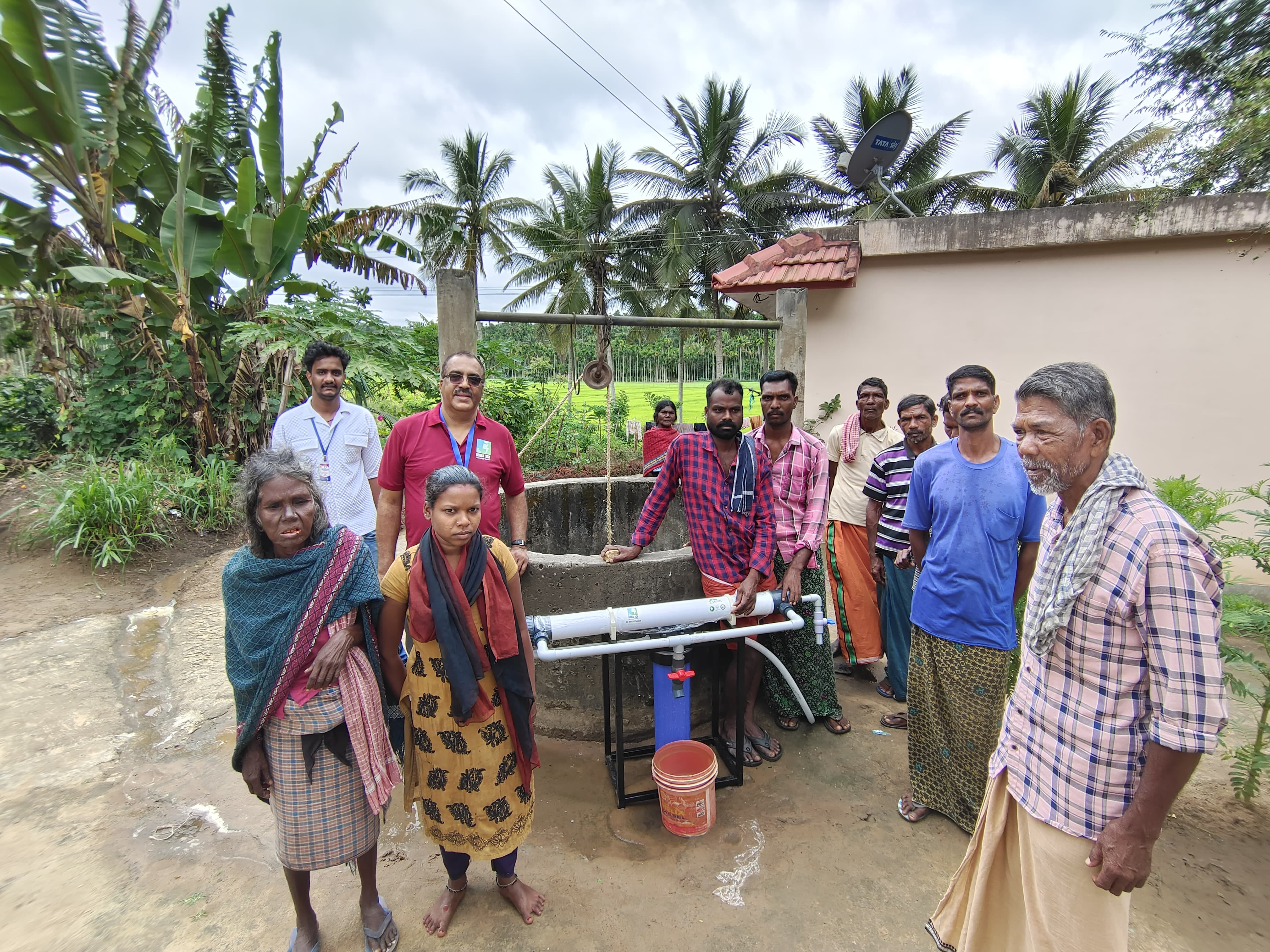
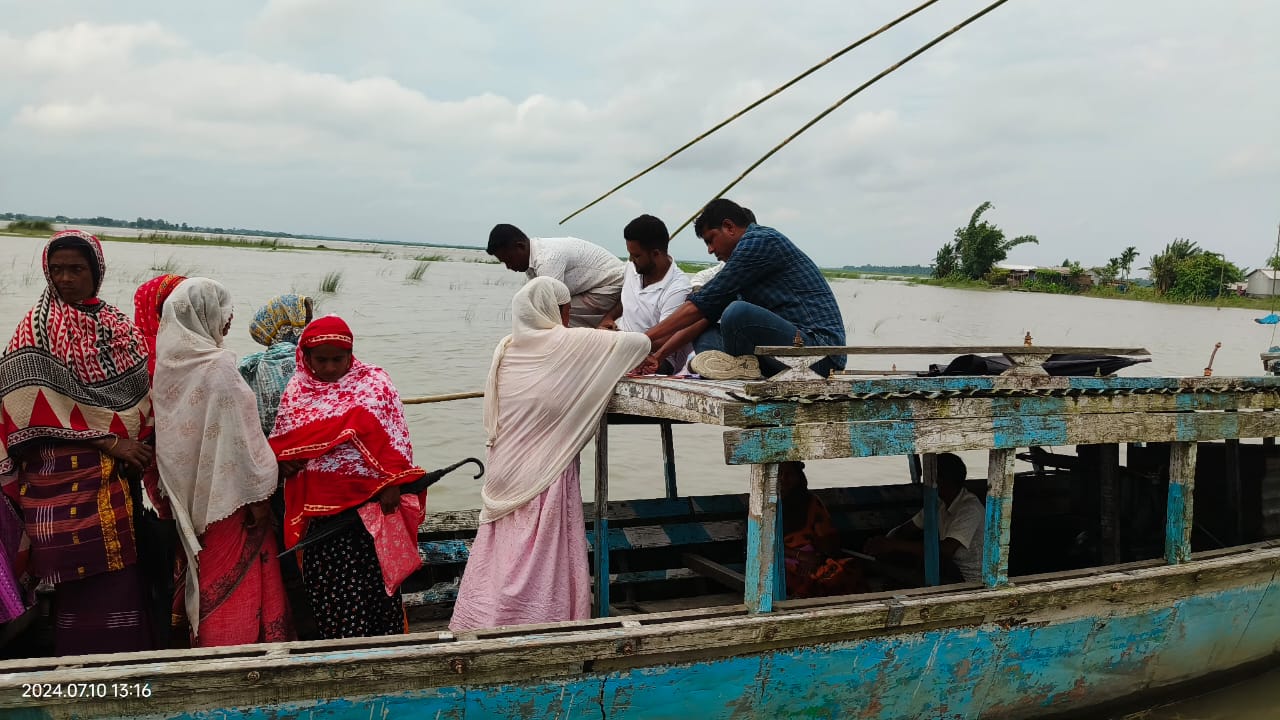
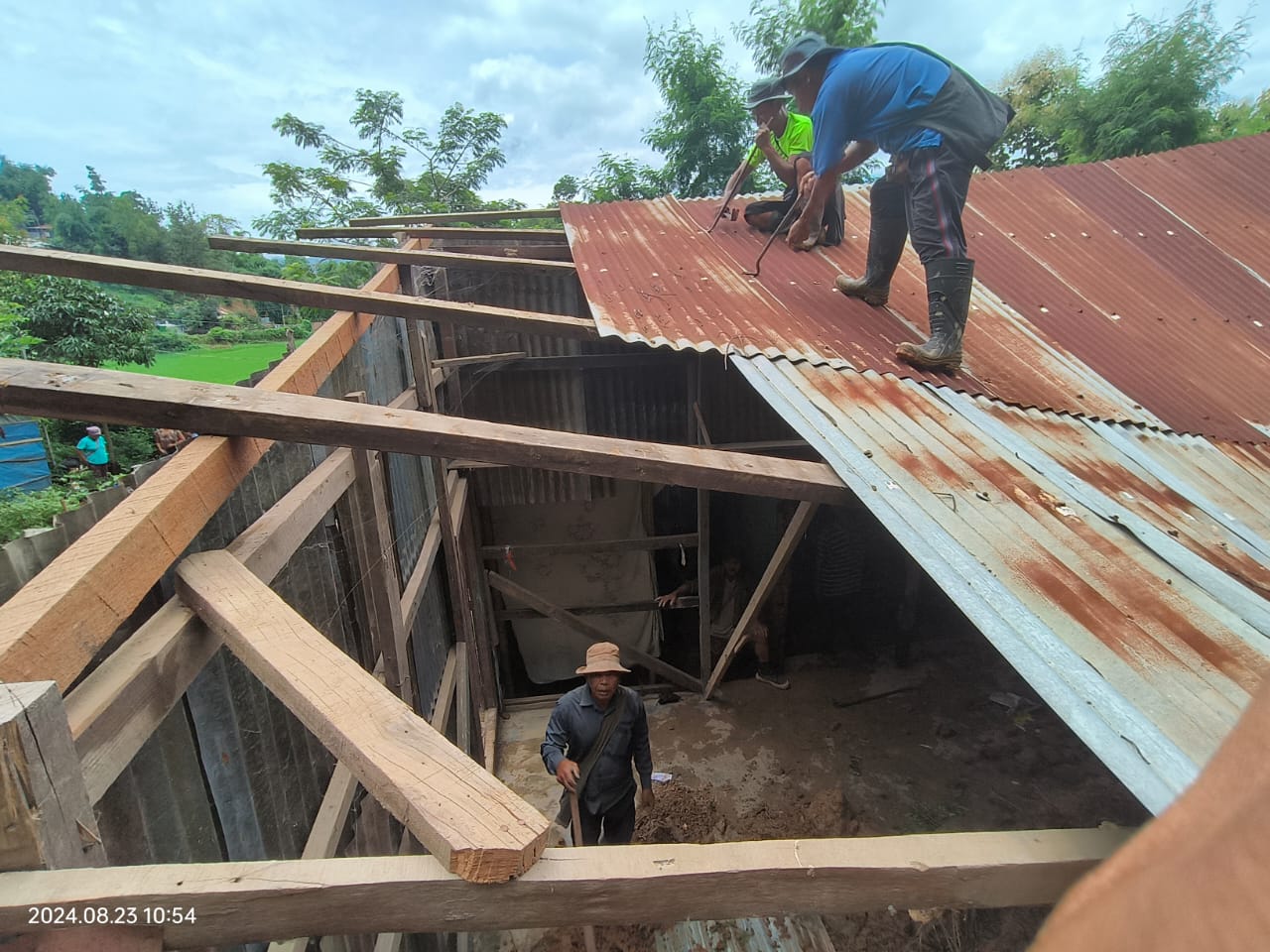
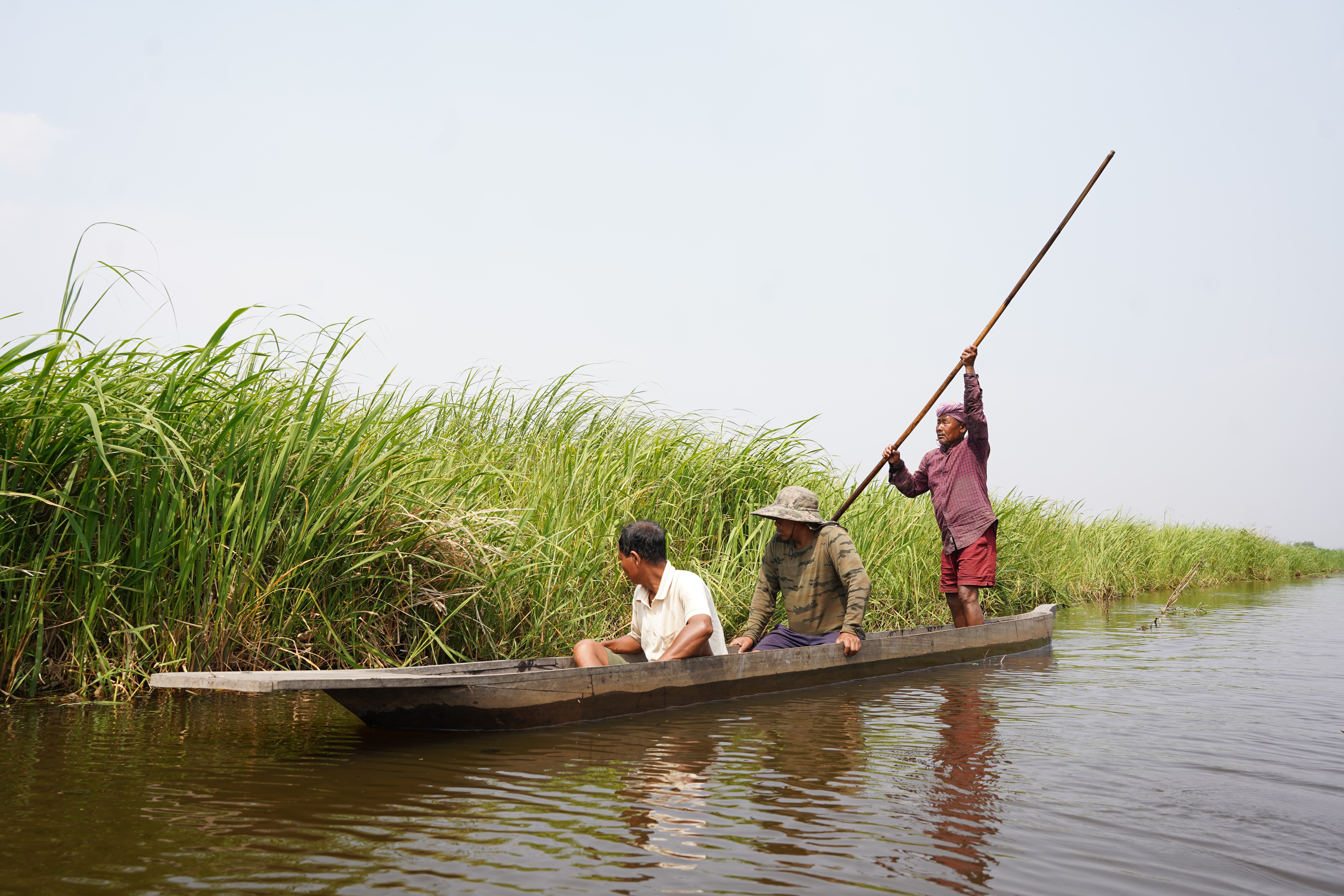
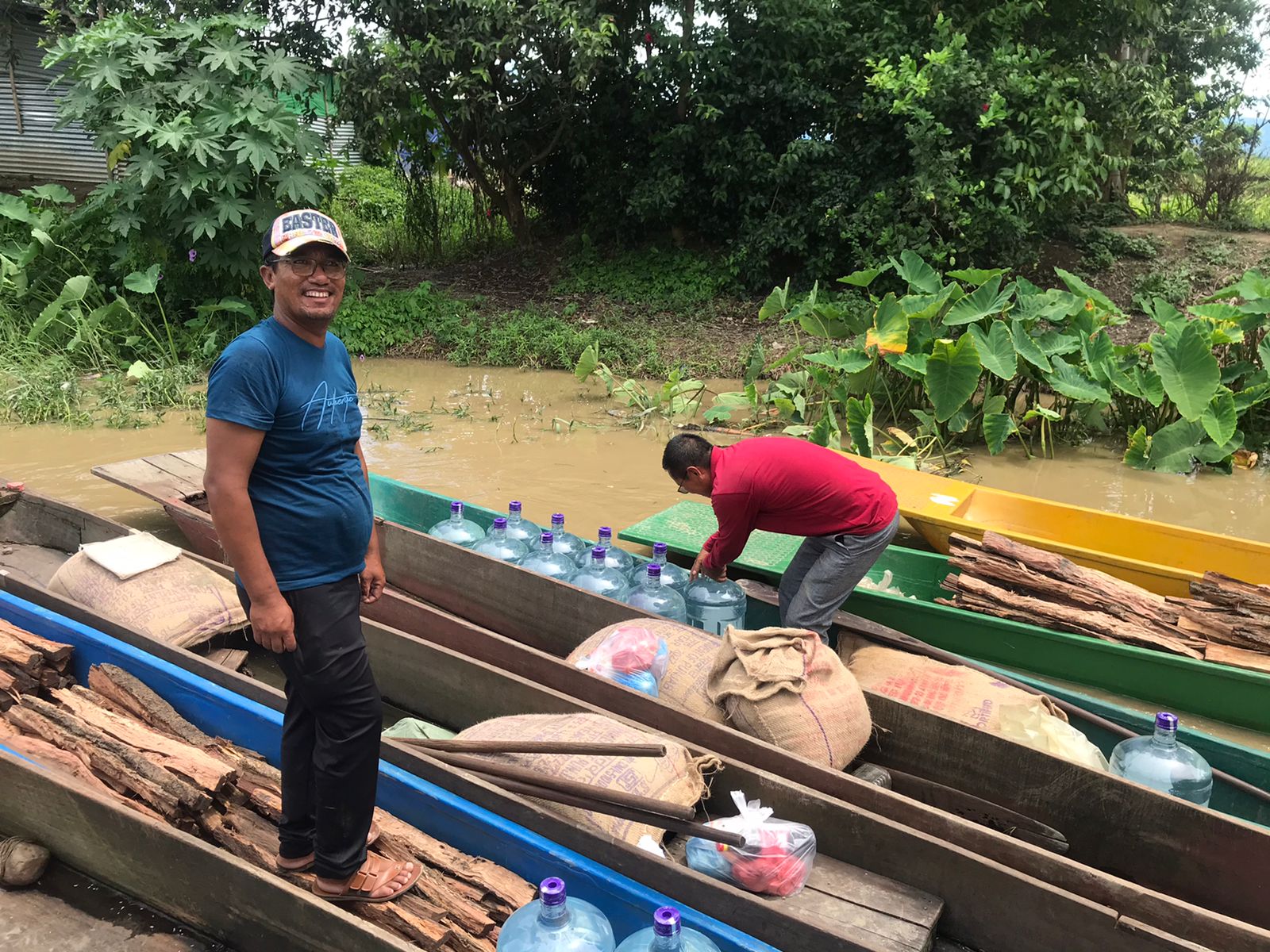
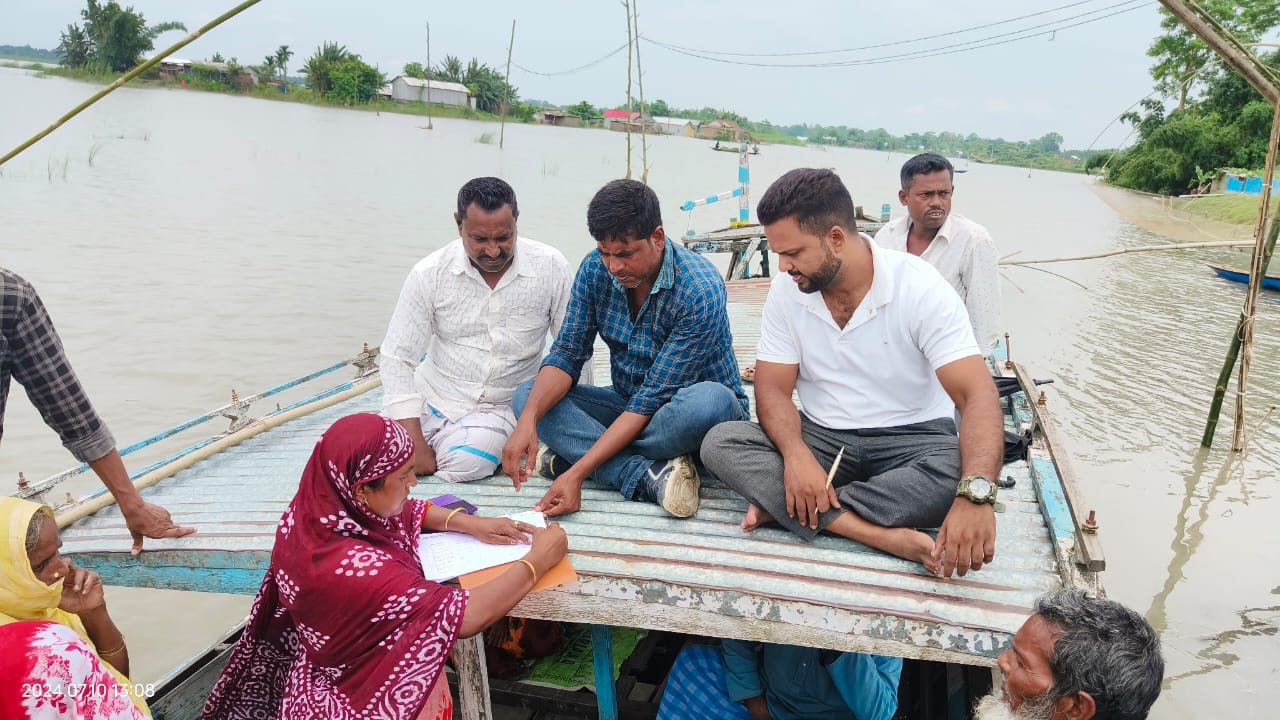
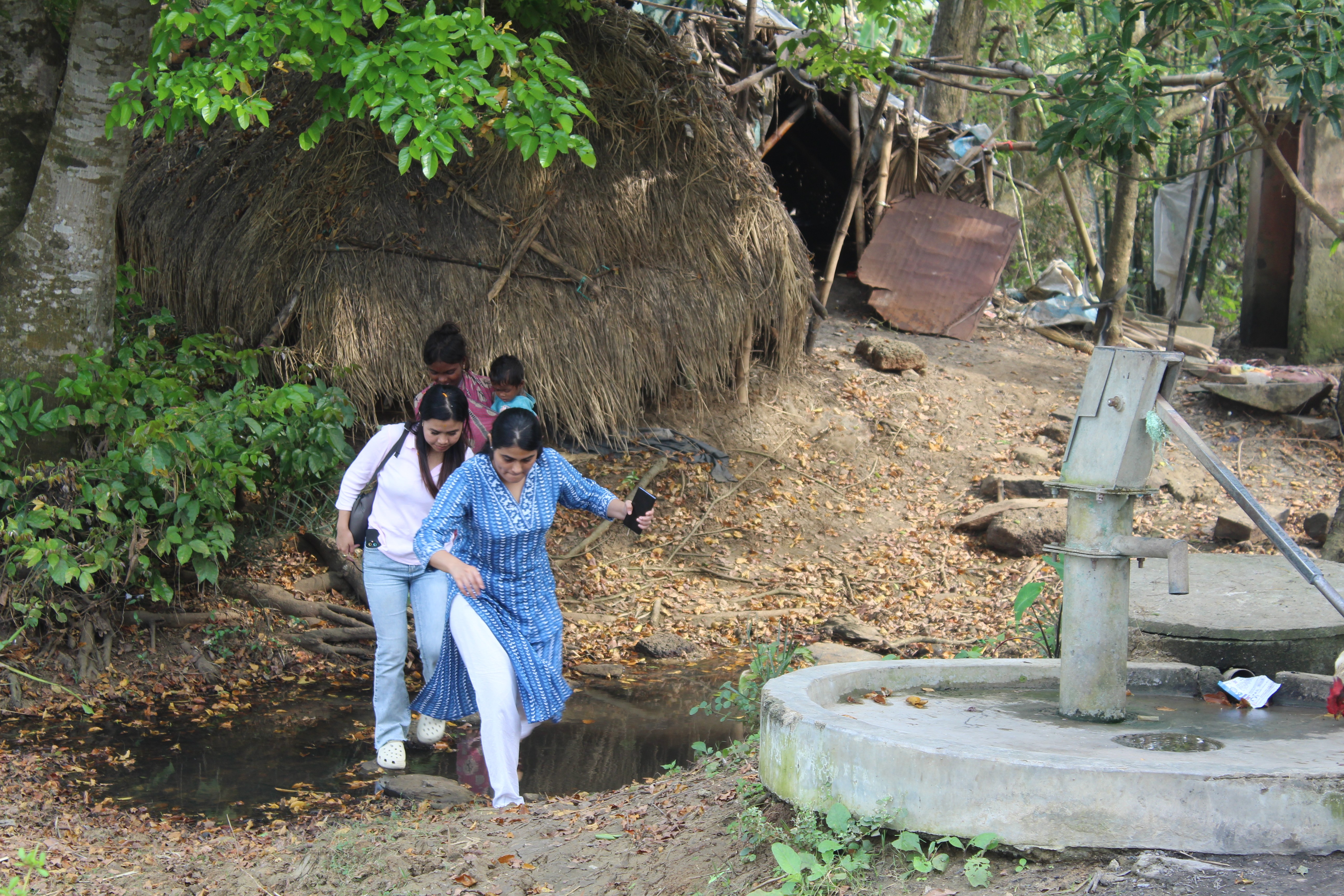
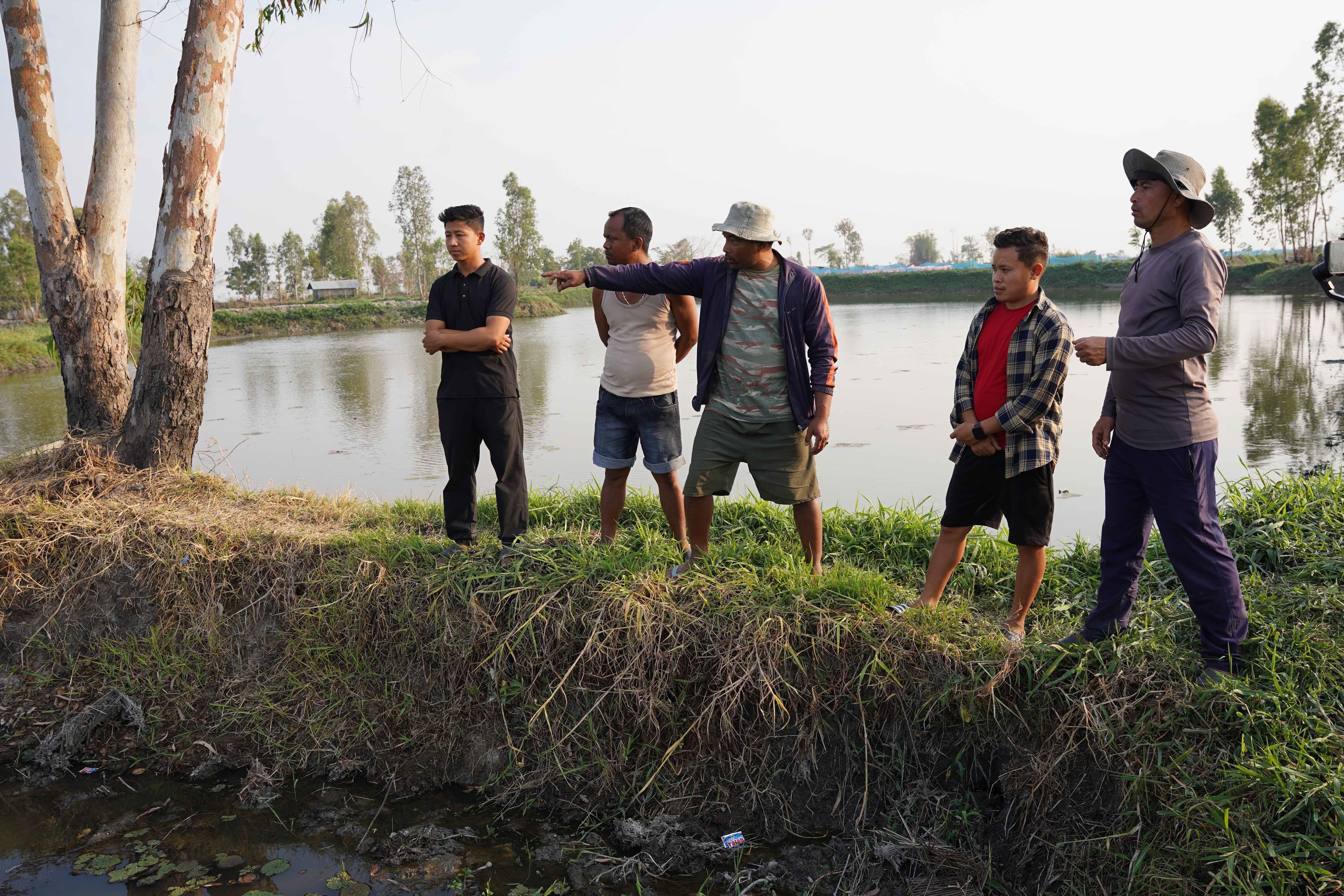
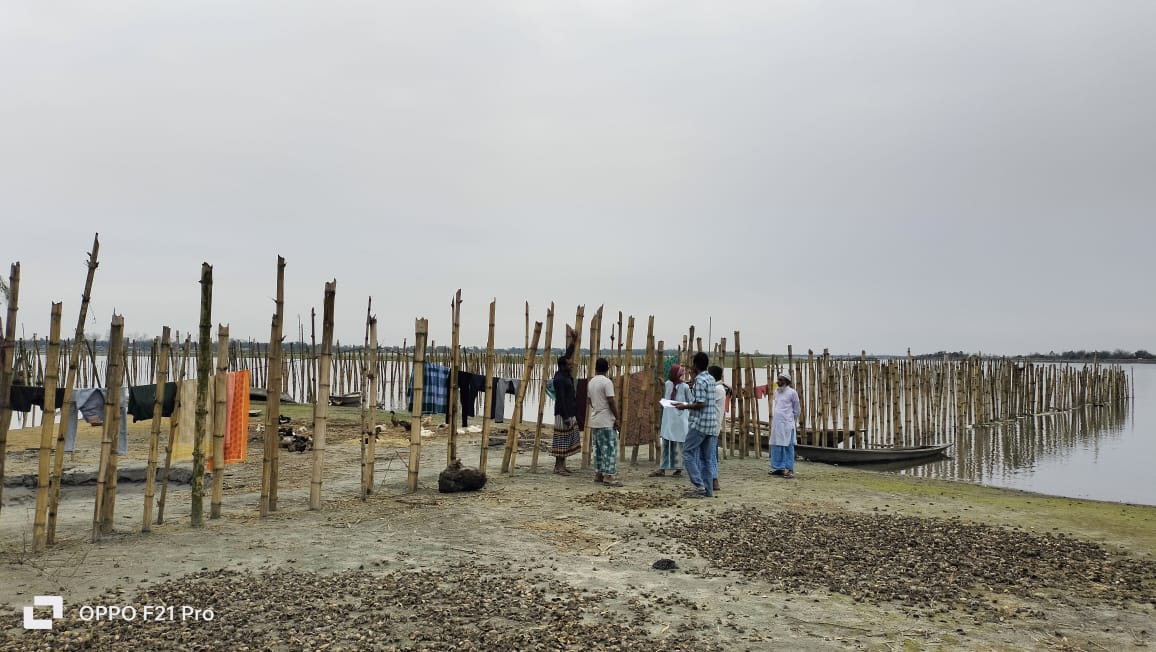
Humanitarian Aid International (HAI) works to ensure that disaster response is timely, locally led, and centred on the needs and dignity of affected people. Our approach recognises that effective humanitarian action must be rooted in community knowledge, trusted local institutions, and ethical practice.
HAI’s disaster response strategy focuses on:
Supporting frontline responders through rapid, flexible funding and technical accompaniment.
Strengthening local leadership by enabling community-based and national organisations to design and lead response efforts.
Promoting accountability and duty of care, ensuring responders are protected and affected communities have voice and agency.
Bridging humanitarian response and recovery, linking immediate relief with longer-term resilience and inclusion.
Through collaboration, pooled funding, and accountability, HAI works to rebalance power in humanitarian response—placing those closest to crises at the centre of solutions.
Humanitarian Aid International (HAI) works to ensure that disaster response is timely, locally led, and centred on the needs and dignity of affected people. Our approach recognises that effective humanitarian action must be rooted in community knowledge, trusted local institutions, and ethical practice.
HAI’s disaster response strategy focuses on:
Supporting frontline responders through rapid, flexible funding and technical accompaniment.
Strengthening local leadership by enabling community-based and national organisations to design and lead response efforts.
Promoting accountability and duty of care, ensuring responders are protected and affected communities have voice and agency.
Bridging humanitarian response and recovery, linking immediate relief with longer-term resilience and inclusion.
Through collaboration, pooled funding, and accountability, HAI works to rebalance power in humanitarian response—placing those closest to crises at the centre of solutions.
Humanitarian Aid International (HAI) works to ensure that disaster response is timely, locally led, and centred on the needs and dignity of affected people. Our approach recognises that effective humanitarian action must be rooted in community knowledge, trusted local institutions, and ethical practice.
HAI’s disaster response strategy focuses on:
Supporting frontline responders through rapid, flexible funding and technical accompaniment.
Strengthening local leadership by enabling community-based and national organisations to design and lead response efforts.
Promoting accountability and duty of care, ensuring responders are protected and affected communities have voice and agency.
Bridging humanitarian response and recovery, linking immediate relief with longer-term resilience and inclusion.
Through collaboration, pooled funding, and accountability, HAI works to rebalance power in humanitarian response—placing those closest to crises at the centre of solutions.
DISASTER RESPONSES Over the years | DISASTER RESPONSES Over the years | DISASTER RESPONSES Over the years
Himachal Response
Kullu, Himachal
2025
Mizoram Cyclone
Maubawk, Hlimen, Melthum, Falkawn
2024-2025
West Bengal Floods
East Medinipur District of West Bengal
2024-2025
Hingoli Response
Maharashtra
2024-2025
Wayanad Landslides
Wayanad. Kerala
Wayanad, Kerala 2024-2025
CYCLONE REMAL
Manipur, Assam, West Bengal
2024-2025
Hailstorm Response
Manipur (Bishnupur, Churachandpur, Imphal)
2024-2025
Drought Response
Maharashtra
2024-2025
Flood and Landslide Response
Uttarakhand (Rudraprayag District)
2023-2024
Flood and Landslide Response
Himachal Pradesh (Kulu, Mandi districts)
2023-2024
Cyclone Biparjoy Response
Gujarat (Kutchch, Morbi districts)
2023-2024
Flood Response
Delhi (Majnu Ka Tila and Signature Bridge camps)
2023-2024
Triple Train Accident
Odisha (Balasore)
2023-2024
2016-2017
Flood Response
Assam
2016-2017
Drought Response
Maharashtra
COVID-19 Response
India (Multiple locations) - Delhi, Gurugram, Bengaluru, Odisha (Cuttack, Bhubaneswar and Jajpur)
2020-2021
Flood Response
Odisha
2022-2023
Flood Response
Assam (Majuli and Jorhat)
2021-2022
COVID -19 & Flood Response
Maharashtra
2021-2022
Flood Response
Maharashtra
2020-2021
Cyclone AMFAN
West Bengal
2020-2021
Flood response
Odisha (Jajpur)
2020-2021
Flood Response
Assam (Majuli and Jorhat)
2021-2022
Flood and Covid19 response
Assam (Barpeta, Jorhat districts)
2020-2021
Refugee Programme
Delhi
2020-2021
Flood Response
Odisha
2022-2023
COVID-19 Response
Delhi
2019-2020
Village Fire Response
Tamligoda village, Godda District, Jharkhand
2019-2020
Cyclone Fani Response
Odisha
2019-2020
Flood Response
Assam
2019-2020
Flood Response
Maharashtra
2019-2020
Flood Response
Bihar
2019-2020
Flood Response
Bihar
2019-2020
Flood Response
Bihar
2019-2020
Cyclone Bulbul
West Bengal
2019-2020
Flood Response
Kerala
2019-2020
Fire response
Uttarakhand
2018-2019
Flood Response
Kerala
2018-2019
Flood relief
Nagaland
2018-2019
Winterisation Project
North India
2018-2019
Flood Response
Bihar
2017-2018
Winterisation Project
North India
2017-2018
Flood Response
Assam
2017-2018
Village Fire Response
Uttarakhand
2017-2018
DISASTER RESPONSES Over the years | DISASTER RESPONSES Over the years | DISASTER RESPONSES Over the years
DISASTER RESPONSES Over the years
Himachal Response
Kullu, Himachal
2025
Mizoram Cyclone
Maubawk, Hlimen, Melthum, Falkawn
2024-2025
West Bengal Floods
East Medinipur District of West Bengal
2024-2025
Hingoli Response
Maharashtra
2024-2025
Wayanad Landslides
Wayanad. Kerala
Wayanad, Kerala 2024-2025
CYCLONE REMAL
Manipur, Assam, West Bengal
2024-2025
Hailstorm Response
Manipur (Bishnupur, Churachandpur, Imphal)
2024-2025
Drought Response
Maharashtra
2024-2025
Flood and Landslide Response
Uttarakhand (Rudraprayag District)
2023-2024
Flood and Landslide Response
Himachal Pradesh (Kulu, Mandi districts)
2023-2024
Cyclone Biparjoy Response
Gujarat (Kutchch, Morbi districts)
2023-2024
Flood Response
Delhi (Majnu Ka Tila and Signature Bridge camps)
2023-2024
Triple Train Accident
Odisha (Balasore)
2023-2024
2016-2017
Flood Response
Assam
2016-2017
Drought Response
Maharashtra
COVID-19 Response
India (Multiple locations) - Delhi, Gurugram, Bengaluru, Odisha (Cuttack, Bhubaneswar and Jajpur)
2020-2021
Flood Response
Odisha
2022-2023
Flood Response
Assam (Majuli and Jorhat)
2021-2022
COVID -19 & Flood Response
Maharashtra
2021-2022
Flood Response
Maharashtra
2020-2021
Cyclone AMFAN
West Bengal
2020-2021
Flood response
Odisha (Jajpur)
2020-2021
Flood Response
Assam (Majuli and Jorhat)
2021-2022
Flood and Covid19 response
Assam (Barpeta, Jorhat districts)
2020-2021
Refugee Programme
Delhi
2020-2021
Flood Response
Odisha
2022-2023
COVID-19 Response
Delhi
2019-2020
Village Fire Response
Tamligoda village, Godda District, Jharkhand
2019-2020
Cyclone Fani Response
Odisha
2019-2020
Flood Response
Assam
2019-2020
Flood Response
Maharashtra
2019-2020
Flood Response
Bihar
2019-2020
Flood Response
Bihar
2019-2020
Flood Response
Bihar
2019-2020
Cyclone Bulbul
West Bengal
2019-2020
Flood Response
Kerala
2019-2020
Fire response
Uttarakhand
2018-2019
Flood Response
Kerala
2018-2019
Flood relief
Nagaland
2018-2019
Winterisation Project
North India
2018-2019
Flood Response
Bihar
2017-2018
Winterisation Project
North India
2017-2018
Flood Response
Assam
2017-2018
Village Fire Response
Uttarakhand
2017-2018
DISASTER RESPONSES Over the years
How a Disaster Response Pooled Fund Helps
How a Disaster Response Pooled Fund Helps
A Disaster Response Pooled Fund enables fast, flexible, and coordinated humanitarian action when crises strike. Unlike traditional project-based funding, pooled funds can be deployed quickly, responding to real-time needs identified by local actors.
By contributing to HAI's Disaster Response Pooled Fund:
Resources reach the frontlines faster, reducing delays during the critical early days of a crisis.
Local organisations gain access to predictable funding, allowing them to plan, scale, and sustain response efforts.
Decision-making is shared, ensuring funding priorities reflect community realities rather than external assumptions.
Donor impact is multiplied, as risks, learning, and outcomes are collectively shared.
HAI’s pooled fund model strengthens local humanitarian ecosystems, supports ethical response practices, and ensures that disaster-affected communities receive assistance that is timely, appropriate, and dignified.
A Disaster Response Pooled Fund enables fast, flexible, and coordinated humanitarian action when crises strike. Unlike traditional project-based funding, pooled funds can be deployed quickly, responding to real-time needs identified by local actors.
By contributing to HAI's Disaster Response Pooled Fund:
Resources reach the frontlines faster, reducing delays during the critical early days of a crisis.
Local organisations gain access to predictable funding, allowing them to plan, scale, and sustain response efforts.
Decision-making is shared, ensuring funding priorities reflect community realities rather than external assumptions.
Donor impact is multiplied, as risks, learning, and outcomes are collectively shared.
HAI’s pooled fund model strengthens local humanitarian ecosystems, supports ethical response practices, and ensures that disaster-affected communities receive assistance that is timely, appropriate, and dignified.
A Disaster Response Pooled Fund enables fast, flexible, and coordinated humanitarian action when crises strike. Unlike traditional project-based funding, pooled funds can be deployed quickly, responding to real-time needs identified by local actors.
By contributing to Disaster Response Pooled Fund:
Resources reach the frontlines faster, reducing delays during the critical early days of a crisis.
Local organisations gain access to predictable funding, allowing them to plan, scale, and sustain response efforts.
Decision-making is shared, ensuring funding priorities reflect community realities rather than external assumptions.
Donor impact is multiplied, as risks, learning, and outcomes are collectively shared.
HAI’s pooled fund model strengthens local humanitarian ecosystems, supports ethical response practices, and ensures that disaster-affected communities receive assistance that is timely, appropriate, and dignified.
Contribute to the Disaster Response Pooled Fund
LET’S MAKE DISASTERS LESS DISRUPTIVE #ResponseToResilience
Last year alone, 2,936 lives were lost, 3,63,381 homes destroyed, and 61,826 cattle perished due to hydro-meteorological disasters in India. Now, imagine that each of those homes sheltered an average of four people. That means over 1.4 million lives were shattered overnight. Contribute today and save lives!